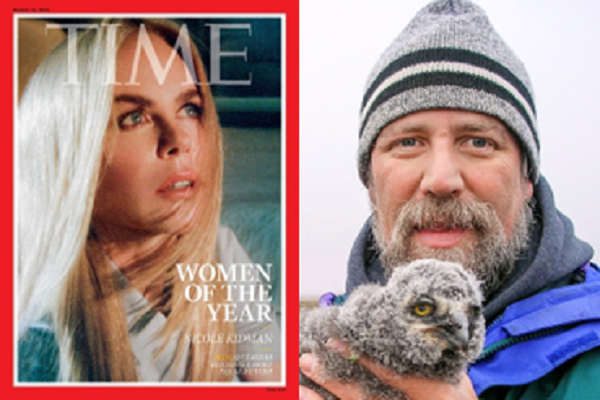

CAMBRIDGE, MA, June 13, 2025 /24-7PressRelease/ -- Rob Moir, PhD, science advocate and executive director of the Ocean River Institute, was selected by Marquis Who's Who for a prominent feature in the March 2025 Rhode Island edition of TIME magazine.
Dr. Moir is an educator, scientist and activist with a proven history in institutional management and marine policy success. He holds a PhD in environmental studies from Antioch University and previously held the positions of assistant scientist at the Sea Education Association in Woods Hole, Massachusetts, and natural history curator at the Peabody Essex Museum. He is currently the executive director of the Ocean River Institute.
Through diligence and dedication, Dr. Moir initiated collaborative ecosystem-based management that featured citizen science by bringing together the six municipalities around Salem Sound with a vision for clean waters, creating Salem Sound Coastwatch. In 2003, he co-founded Ocean Champions and, in 2007, the Ocean River Institute. He was active in the passage of the Massachusetts Ocean Planning Act and the Massachusetts 2050 Decarbonization Roadmap.
Dr. Moir is working hard on climate change solutions by advancing the Massachusetts Slow Water Drought Relief Carbon Offset Fund. The fund pays property owners who pledge not to spread quick-release fertilizers and gives grants for permeable pavers, rain barrels, rain gardens, or Miyawaki forests. The Let Forests Grow Carbon Offset Fund will pay woodlot owners the value of their timber harvest and leave the trees standing. When the state is ready to harvest public lands, the fund pays the timber value to leave the forest undisturbed.
On the ocean, Dr. Moir is championing the Right Whale National Marine Sanctuary for the sandy shallow waters that right whales return to every spring to break their winter fast before spreading out for the summer. There are only about 70 breeding female whales left. The sanctuary is needed to bring all users and interest groups together to implement an effective general management plan.
On land, urbanization causes stormwater to be hotter, which is warming ocean surface waters. In 2023, the surface waters in the Gulf of Maine were significantly warmer despite average summer air temperatures because Boston had the most significant amount of rain since 1955. The loss of vegetation and soil-holding water causes more pollutants to be released into the sea. Sanctuary collaborative initiatives for greener neighborhoods will decrease runoff, reduce rising sea levels, cool the waters and help save right whales.
Dr. Moir maintains that to cool global warming, cement and other impervious surfaces need to be replaced with vegetation and soils that will hold water and support increased photosynthesis, which will, in turn, draw down carbon. He proports the hypothesis that to save the sea and climate, efforts must be imparted to better manage the land.
# # #
Contact Information
Email: Email Us Here