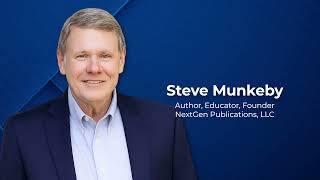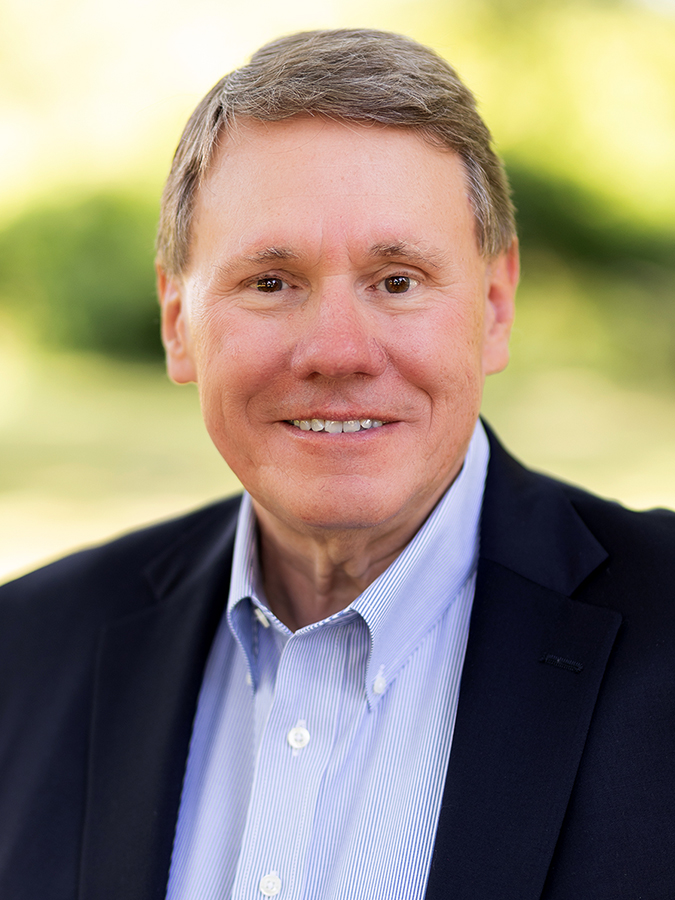

CUMMING, GA, March 03, 2026 /24-7PressRelease/ -- Dr. Steve Munkeby has been featured on the Marquis Masters Podcast. The podcast celebrates leaders and innovators who have shaped industries and inspired generations. Each episode features an intimate conversation with a Marquis honoree, uncovering the personal stories behind their professional success. The show reveals what it truly takes to lead with purpose, resilience, and authenticity.
In this episode of the Marquis Masters podcast, Ryan Estes sits down with Steve Munkeby, founder of NextGen Publications, for a wide-ranging conversation about generative AI, career reinvention, military service, and the mindset required to stay relevant in a rapidly evolving world. From aerospace engineering and robotics to bestselling books on artificial intelligence, Mr. Munkeby's career reflects a consistent theme: embracing complexity by translating it into clarity.
The discussion begins with generative AI and the fear that often surrounds it. Mr. Munkeby argues that much of the anxiety stems from misunderstanding and Hollywood-driven narratives of runaway machines. In reality, he explains, generative AI is fundamentally about asking better questions. It is a tool that responds to human prompts, not an autonomous decision-maker. By reframing AI as a learning companion rather than a threat, he demonstrates how quickly skepticism can turn into empowerment. He shares the story of helping an older man interpret a confusing medical report by simply asking AI to translate it into plain language, an experience that transformed fear into enthusiasm within minutes.
For Mr. Munkeby, the true power of AI lies in accessibility. He emphasizes that mastering prompts is more important than mastering code, and that professionals of any age can use these tools to enhance productivity and understanding. His work specifically supports populations that may feel left behind by technological change, including veterans and individuals over 55. In his book From Camouflage to Corporate, he shows transitioning service members how to use AI to translate military occupational codes into civilian skills, build resumes, search job markets nationwide, and even generate interview questions. Having experienced the confusion of leaving the Army himself, he designed the framework to bridge the language gap between military and civilian life, turning AI into a practical career accelerator.
Ryan and Mr. Munkeby also explore the arc of his career, which began with inspiration from the moon landing and led him into the U.S. Army through ROTC, followed by work on the space shuttle program and robotics for space exploration. He reflects on the excitement of joining the shuttle program on the very day of its first launch and describes the technological momentum of that era. He credits the military with shaping his leadership skills, particularly the ability to make decisions under pressure, something he believes civilian training rarely replicates. In his view, structured service instills resilience, accountability, and clarity that carry forward into every subsequent chapter of life.
The conversation expands into robotics and the future of AI-powered systems. Mr. Munkeby notes that developers are increasingly humanizing robots to reduce public fear, yet he stresses that technology still requires meaningful application. Just as the Apollo mission galvanized NASA with a clear goal, he believes AI and robotics need defined targets to unlock their full societal impact. Throughout, he maintains an optimistic stance: technology should augment human capability, not replace it.
When asked about reinvention, Mr. Munkeby describes his career as a series of expansions rather than replacements. He views reinvention as building a new room onto an existing house rather than tearing the house down. Each phase, soldier, aerospace engineer, robotics developer, author, built upon the last. That philosophy underpins his encouragement to professionals who feel boxed in by their current identities. Skills are transferable, he insists, and AI can help illuminate those connections.
The episode closes with reflections on truth, curiosity, and lifelong learning. Mr. Munkeby cites Socrates as someone he would most like to meet, underscoring his belief in rigorous questioning and intellectual honesty. For him, the antidote to fear—whether about technology, career change, or societal shifts—is disciplined inquiry. By asking better questions, individuals can move from paralysis to progress.
In a cultural moment defined by rapid technological change, Mr. Munkeby offers a grounded message: AI is not a replacement for human potential but a multiplier of it. With curiosity, courage, and the right prompts, anyone can turn uncertainty into opportunity.
To follow Marquis Masters, subscribe on Apple Podcasts or Spotify, and watch full video episodes on the Marquis Who's Who YouTube channel. Stay connected to conversations that explore mastery, meaning, and impact.
# # #
YouTube Video