 +1 888-880-9539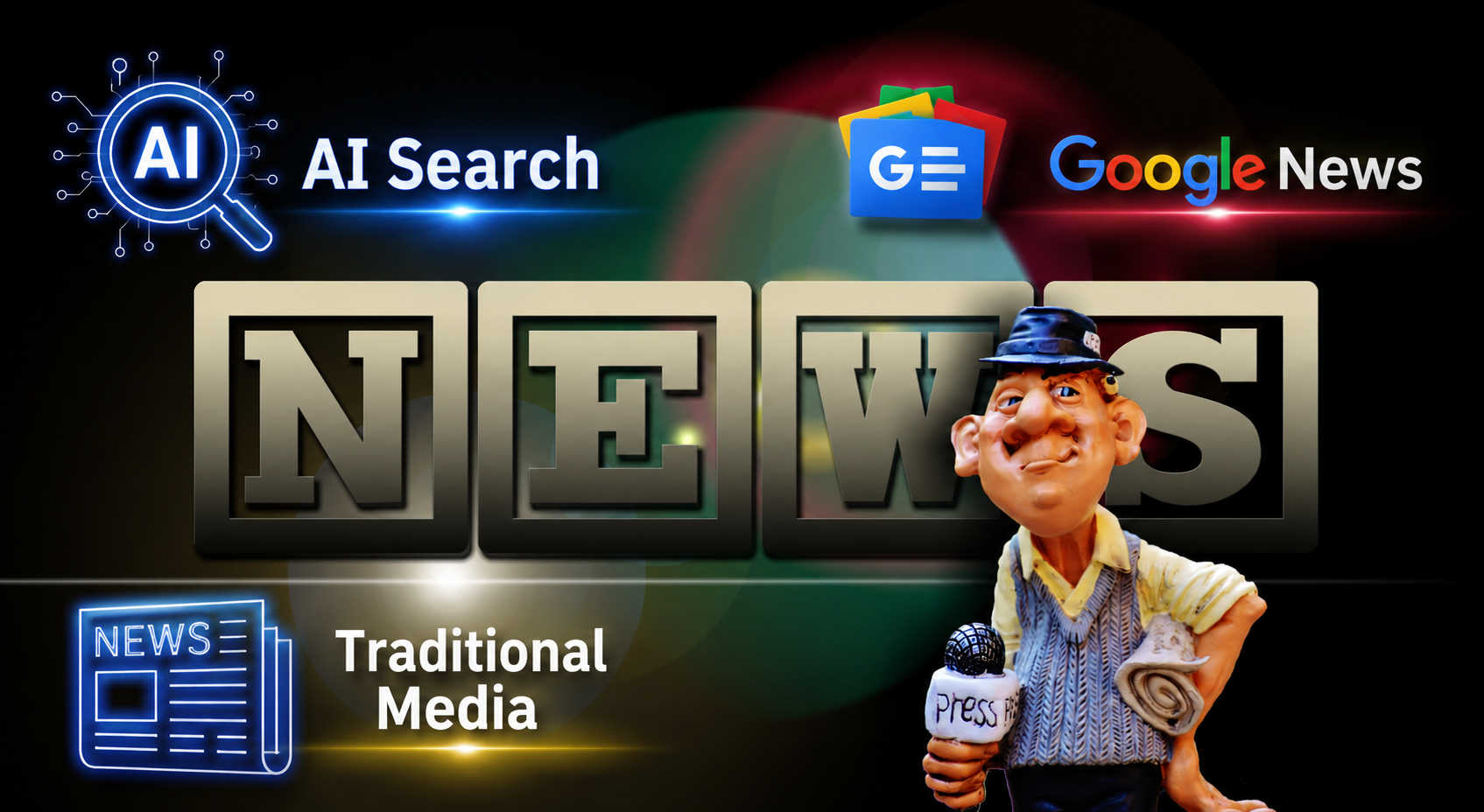
Press release marketing has changed. A few years ago, many businesses viewed a press release mainly as a way to announce company news to journalists or to gain visibility through search engines. That is still part of the value, but in 2026 and beyond, a well-written press release will play a more important role. It can help create a clear, credible, and searchable record of your announcement across the web. It can support brand trust. It can help journalists quickly understand your story. It can also make it easier for search engines and AI-powered discovery tools to interpret who you are, what you do, and why your announcement matters.
This absolutely does not mean that a press release should be written for algorithms rather than for people. In fact, the opposite is true. The press releases that perform best are usually clear, factual, timely, and useful to real readers. Search engines, AI tools, journalists, editors, bloggers, and industry researchers all need the same basic thing: information that is easy to understand, well-structured, and credible enough to be cited.
A press release is not a blog post. At 24-7 Press Release, we cannot stress this enough. It is not an advertisement or a sales letter either. A press release is a formal announcement that communicates newsworthy information about a company, organization, individual, product, service, event, partnership, milestone, or development. When written correctly, it gives readers the essential facts quickly and explains why the announcement is relevant now.
Why Press Releases Still Matter in 2026
News and information online is a very crowded and competitive space. Businesses are publishing blog posts, social media updates, newsletters, videos, podcasts, and ads every day. With so much content competing for attention, credibility has become more important than ever.
A properly written press release gives your announcement structure. Like a headline, date, location, company name, spokesperson quote, supporting details, and boilerplate information in a format that readers and media professionals understand.
In 2026, press releases also play a role in how companies are discovered and described online.
AI search tools and answer engines often summarize information from multiple sources. Search engines continue to evaluate clarity, relevance, authority, and trust. Journalists still need accurate details they can verify quickly. A press release helps by giving them a single, organized source of information about your announcement in one document.
This is especially important for companies that are not already widely known. A clear press release can help establish a public record of your company's news. It can support future searches for your company name, product, leadership team, services, or industry category. While no press release can guarantee media pickup or top search rankings, a strong release gives your story a better foundation.
Start With a Real News Angle
The most important question to ask before writing a press release is simple: what is the news? As mentioned in an April article, How to Write a Press Release: A Step-by-Step Guide for Businesses That Want Results, the article explains how what you publish should be newsworthy to your audience first.
Many press releases underperform because they do not clearly announce anything important or significant. They may read like an article, a company profile, a general opinion piece, or a promotional brochure. Those formats can be useful elsewhere, but they are not the same as a press release.
A strong press release should have a clear reason for existing. For example, your company may be launching a new product, opening a new location, announcing a partnership, releasing new research, hosting an event, expanding into a new market, hiring an executive, receiving an award, reaching a milestone, or responding to an industry trend. The announcement should be specific and timely.
Instead of writing, “Our company provides excellent digital marketing services,” a stronger news angle would be, “ABC Marketing Launches New AI Search Optimization Service for Small Businesses.” The first version is a general statement. The second version is a specific announcement.
Your opening paragraph should make the news obvious. Readers should not have to search through several paragraphs to understand what happened. A good opening answers the essential questions: who, what, when, where, why, and how.
Write a Headline That Is Clear Before It Is Clever
Your headline is one of the most important parts of the press release. It affects whether people click, whether editors understand the story, and whether search engines can properly identify the topic. In 2026, this is even more important because AI-powered tools may summarize or classify your announcement based partly on the headline and opening content.
A good press release headline should be clear, specific, and relevant. It should include the company or organization name when appropriate and identify the actual announcement. Avoid vague headlines such as “Company Announces Exciting New Development” or “Local Business Is Changing the Industry.” These may sound dramatic, but they do not tell the reader enough, and this is enough to stop a journalist from reading any further.
A stronger headline would be: “Vancouver Technology Firm Launches New Cybersecurity Platform for Independent Retailers.” This headline identifies the location, industry, announcement, and audience. It gives both readers and search systems more useful information. On a side note, a shorter headline is better than a longer one and more friendly for search engines.
That does not mean the headline has to be boring. It can still be interesting, but clarity should come first. The best headlines combine relevance with simplicity.
Use the First Paragraph Wisely
The first paragraph of a press release is not the place for background history or broad marketing language. It should summarize the announcement concisely and factually. This paragraph is especially important because many readers will only scan the first few lines before deciding whether to continue.
A strong opening paragraph might include the company name, location, date, announcement, target audience, and reason the news matters. For example:
“SEATTLE, WA — ABC Software today announced the launch of its new AI-powered scheduling platform designed to help independent clinics reduce missed appointments and improve patient communication.”
In one sentence, the reader understands who is making the announcement, what is being launched, for whom it is intended, and why it matters. The rest of the release can then provide details, context, quotes, and supporting information.
Add Context, Not Fluff
After the opening paragraph, the press release should explain the announcement in more detail. This is where you can describe the problem your product solves, the market need behind your service, the reason for the expansion, or the significance of the milestone.
However, this section should avoid empty promotional language. Phrases such as “world-class,” “game-changing,” “revolutionary,” and “best-in-class” are often overused and may weaken the credibility of the release if they are not supported by facts. Instead of saying your company is “transforming the industry,” explain what is actually different, new, useful, or timely.
Facts are stronger than hype. If you have data, include it. Data facts go a very long way with the media. If you have strong customer demand, explain it. If your announcement relates to a trend, describe the trend in plain language. If your product has specific features, list the most important ones without turning the release into a sales sheet or having too much hype. Keep to the facts.
The goal is to help the reader understand why the announcement matters beyond the company making it.
Include a Meaningful Quote
A quote is an important part of a press release because it adds a human voice. It gives company leadership, a founder, a partner, or a subject matter expert the opportunity to explain the significance of the announcement.
A weak quote simply repeats the headline: “We are excited to launch our new product.” While there is nothing wrong with being excited, that does not add much value.
A stronger quote explains why the announcement matters. For example:
“Small businesses are being asked to manage more digital complexity with fewer resources,” said Jane Smith, CEO of ABC Software. “Our goal with this platform is to give independent clinics a practical way to automate scheduling communication without adding another complicated system to their workflow.”
This quote provides insight, identifies the problem, and explains the company’s motivation. It sounds more credible because it contributes something meaningful to the release.
Make the Release Easy for AI Search and Search Engines to Understand
Writing for AI search does not mean stuffing your press release with keywords. In fact, keyword stuffing can make a release harder to read and less credible while being a big turn off for search engines. Instead, the release should use natural, descriptive language that clearly identifies the company, industry, location, product or service, and topic.
For example, if your company provides legal software for immigration lawyers, say that clearly. Do not rely on vague phrases like “innovative solutions for professionals.” The more specific and accurate your language is, the easier it is for readers, search engines, and AI tools to understand the context.
Use your company name consistently. Include relevant terms naturally. Mention your industry and audience. Add an About section that clearly explains what your company does. These simple steps can help create a more useful and searchable announcement.
Think Like a Journalist
Traditional media pickup is never guaranteed, but a press release has a better chance of being useful to journalists if it is written with their needs in mind. Journalists look for timely, relevant, factual information. They also need to quickly understand whether the story affects a specific audience, industry, or community.
Ask yourself: why would someone outside our company care about this announcement? Does it affect customers, employees, investors, local communities, an industry sector, or a broader trend? Is there a human angle? Is there data? Is there a timely reason this matters now?
A journalist is less likely to be interested in a release that simply says a company is proud of itself. They are more likely to pay attention to a release that connects the announcement to a real development, problem, trend, or public interest.
Use a Proper Press Release Structure
A strong press release usually follows a familiar structure: headline, optional subheadline, dateline, opening paragraph, supporting details, quote, additional context, company boilerplate, and media contact.
This structure helps readers quickly scan the release. It also helps editors and distribution partners process the announcement more easily. A press release does not need to be overly complicated, but it should be organized.
The boilerplate, often called the “About” section, is especially important. This is where you briefly explain who the company is, what it does, who it serves, and where readers can learn more. Do not treat this section as an afterthought. It helps provide context for anyone who is unfamiliar with your organization.
Avoid Common Press Release Mistakes
Some of the most common press release mistakes are easy to fix. Do not bury the announcement. Absolutely, do not write the release like a blog post or make unsupported claims. Don’t use overly promotional language, and do not forget the quote. Make sure you don’t leave out the company description. And make sure not to use a vague headline or submit weak content without a clear news angle.
It is also important to avoid writing only for SEO, this is 2026, not 2006. Keywords matter, but readability matters more. A press release should sound natural and professional. If the release feels forced, repetitive, or overly optimized, it may reduce trust rather than build it.
Press Release Distribution Is Part of the Strategy
Press release distribution helps make your announcement available across a broader network of websites, databases, media contacts, industry platforms, and discovery channels. A distribution report (like the one 24-7 Press Release provides) can show where the release was published through participating partners. This helps create visibility and gives the company links it can share with customers, prospects, investors, and internal teams.
However, distribution works best when the release itself is strong. A poorly written or unclear announcement remains weak, even if it is widely distributed. A clear, timely, well-structured press release gives your distribution effort a better chance of producing meaningful visibility.
Conclusion
In 2026, a press release should be written for people first, but structured so that search engines, AI tools, journalists, and industry readers can easily understand it. The best releases are clear, factual, timely, and useful. They announce something specific, explain why it matters, include a meaningful quote, and provide enough context for the reader to trust the information.
A press release is not just about getting attention for a day. When written properly, it becomes part of your company’s public record. It can support credibility, improve discoverability, and help your announcement travel further across search, AI discovery, traditional media, and your own marketing channels.
For businesses looking to gain more visibility in 2026, the goal should not be to simply publish more press releases. The goal should be to publish better ones.