 +1 888-880-9539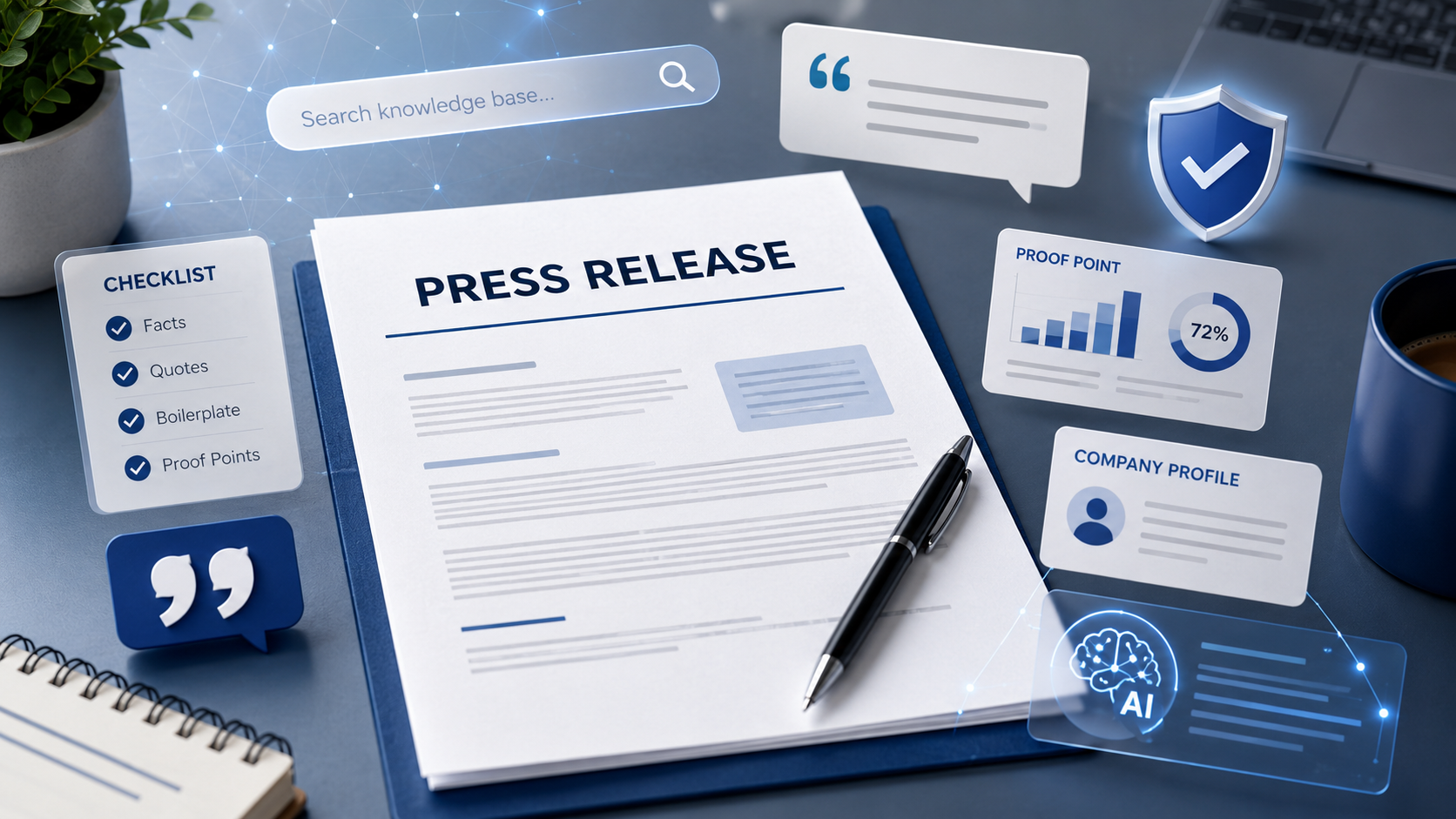
A press release is not just a way to announce something. It is also a credibility document.
When a company submits a press release, the goal is usually exposure. The business wants journalists, readers, search engines, and now AI-powered search tools to understand the announcement and possibly share, reference, or summarize it. But exposure does not begin with distribution alone. It begins with the quality and credibility of the release itself.
A press release that sounds vague, exaggerated, or overly promotional is easy to ignore. A release that is clear, factual, specific, and easy to verify has a much better chance of being useful to readers and easier for media professionals, search engines, and AI tools to understand.
That does not mean any press release service can guarantee editorial coverage, search rankings, or AI citations. It means that the stronger your release is, the better foundation you create for visibility.
Start With a Real Announcement
Before writing a press release, ask one important question: what is actually new?
A strong press release should be built around a clear announcement. This could include a product launch, business expansion, new partnership, event, award, new hire, funding milestone, research finding, book release, charity initiative, or another specific development.
A weak headline might say:
“ABC Company Is Changing the Future of Business Technology”
A stronger headline would say:
“ABC Company Launches Scheduling Platform for Independent Medical Clinics”
The second version is clearer because it tells the reader what happened, who is involved, and who the news may matter to. It is also easier for journalists, search engines, and AI tools to interpret.
Use Facts Instead of Hype
Many press releases rely too heavily on words like “revolutionary,” “innovative,” “game-changing,” “leading,” or “best-in-class.” These words may sound impressive, but they often do not provide useful information. Facts are stronger than hype.
Instead of saying your company is “rapidly growing,” explain what that means. Did you open a new location? Hire more staff? Expand into a new market? Reach a customer milestone? Launch a new service? Receive an industry certification?
Useful facts may include dates, locations, product details, pricing, event information, company history, customer groups served, survey results, market context, or measurable achievements. The more specific the release is, the easier it becomes for others to understand why the announcement matters.
Make the First Paragraph Clear
The opening paragraph of a press release should quickly answer the basic questions: who, what, when, where, why, and how.
Do not bury the announcement several paragraphs down. Readers should not have to search for the news. A journalist, editor, customer, or search engine should be able to understand the main point within the first few lines. A strong opening paragraph gives the reader a clear summary of the announcement and provides enough context to keep reading.
Add Quotes That Actually Say Something
Quotes are one of the most misused parts of a press release. Many quotes say little more than, “We are excited to announce this.” While excitement is understandable, it does not add much value.
A good quote should explain why the announcement matters. It can provide insight into the company’s purpose, the problem being solved, the audience being served, or the reason the announcement is happening now.
For example, instead of writing:
“We are excited to launch this new service,” said John Smith, CEO of ABC Company.
A stronger quote would be:
“Many independent clinics still rely on disconnected systems for scheduling, reminders, and patient communication,” said John Smith, CEO of ABC Company. “Our goal is to give smaller practices a simpler way to manage appointments without adding more administrative work.” This type of quote gives the reader more context. It also sounds more credible because it explains the reason behind the announcement.
Explain the “Why Now?”
A press release becomes stronger when it explains why the news matters at this particular moment. Is there a growing market need? Has customer behaviour changed? Is the company responding to a new regulation, trend, local issue, seasonal demand, or industry challenge? The “why now” helps turn a basic announcement into a more meaningful story. It gives journalists and readers a reason to care. It also gives search engines and AI tools more context for understanding the announcement.
Include Proof Points
If your press release makes a claim, support it.
If you say your company is award-winning, mention the award. If you say demand is increasing, include a relevant example. If you say the product saves time, explain how. If you say the company is expanding, state where and when. Avoid claims that cannot be verified. Phrases like “the best,” “the first,” “the leading,” or “the most trusted” should be used carefully. If you cannot support the claim with evidence, it may weaken the release instead of strengthening it. Credibility comes from being specific.
Write a Strong Company Boilerplate
The boilerplate is the short “About” section usually found near the end of a press release. It should not be treated as filler.
A good boilerplate explains what the company does, who it serves, where it operates, and what makes it relevant. It should be clear enough that someone unfamiliar with the company can quickly understand the business. This section is also useful for search engines and AI-powered tools because it provides consistent company information in a structured format.
Make Contact Information Easy to Find
A press release should include clear media contact information. This may include a contact name, company name, email address, phone number, and website. If a journalist, editor, podcast host, blogger, customer, or potential partner wants to follow up, they should not have to search for a way to reach you.
How Credibility Helps With AI and Search Visibility
AI-powered search tools and answer engines rely on information they can understand, summarize, and connect to other credible sources. A clear press release with specific facts, consistent company information, useful quotes, and a proper boilerplate may help these systems better interpret your announcement.
However, no press release service can guarantee that an AI tool will cite, summarize, or recommend a specific company. The goal is to make your release as clear, factual, and useful as possible so it has a stronger foundation for discovery.
Final Checklist Before Submitting
Before submitting your press release, ask:
• Does the headline clearly explain the announcement?
• Does the first paragraph answer who, what, when, where, why, and how?
• Are the claims supported by facts?
• Does the quote add useful context?
• Is the company boilerplate clear?
• Does the release sound like news rather than an advertisement?
• Is the contact information complete?
A press release does not need to be complicated to be effective. It needs to be clear, credible, and useful.
Distribution can help amplify your announcement, but the quality of the release itself matters. When your press release is built on facts, meaningful quotes, proof points, and clear company information, it becomes easier for journalists, readers, search engines, and AI tools to understand why your news matters.