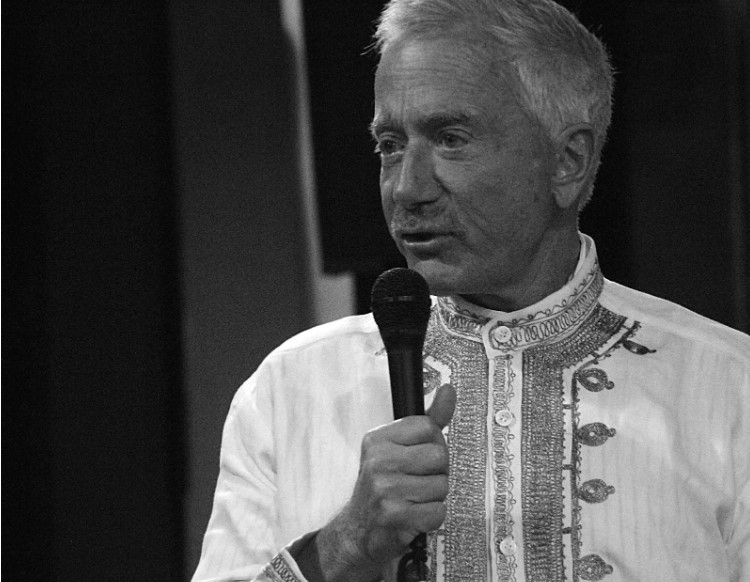

PORTLAND, OR, June 30, 2025 /24-7PressRelease/ -- At 76 years old, Terry Bean continues to stand as one of the most enduring figures in LGBTQ+ advocacy. He has spent over five decades marching, lobbying, fundraising, and organizing to ensure the community's rights and dignity. In 2025, as new waves of anti-LGBTQ+ legislation gain traction across the country, Bean is calling on the movement to reawaken with urgency and purpose.
"We didn't get here by waiting politely," Bean says. "We got here by showing up, fighting back, and refusing to be invisible. And that's exactly what we need to do again."
State legislatures across the country have introduced hundreds of bills targeting LGBTQ+ people, particularly transgender youth. From restricting access to gender-affirming care to censoring LGBTQ+ content in public schools and libraries, these efforts aim to undo decades of civil-rights gains. Bean sees these coordinated attacks not as isolated policy moves, but as a national strategy to marginalize vulnerable populations.
A Lifetime on the Frontlines
Terry Bean's legacy in LGBTQ+ political organizing spans generations. He co-founded the Human Rights Campaign in 1980 and the Gay & Lesbian Victory Fund in 1991. These institutions have become essential in securing federal policy reforms and electing LGBTQ+ individuals to public office.
Before launching national organizations, Bean began as a student activist at the University of Oregon. He joined anti-war protests during the Vietnam era and developed a passion for justice that would define his life's work. That early exposure to civil disobedience taught him that silence allows injustice to grow.
"Silence is the enemy of justice," Bean says. "It was true when I first picked up a sign, and it's still true today."
He went on to raise millions of dollars for LGBTQ+ campaigns, helping elect officials and defeat discriminatory legislation. In 1992, Bean played a leading role in defeating Oregon's Measure 9, a ballot initiative that would have labeled homosexuality as "abnormal." He helped raise over $1 million, making it one of the most well-financed opposition campaigns of its time. The campaign set a national precedent for challenging anti-LGBTQ+ measures and solidified Oregon's place in progressive LGBTQ+ advocacy.
Recognizing the Pattern
Bean warns that the surge in anti-LGBTQ+ legislation reflects a deliberate and coordinated strategy. Many of the recent bills come from national organizations that test legal boundaries and public sentiment in key states.
"These bills don't emerge organically," Bean says. "They come from playbooks. Conservative groups craft and share these templates to see what sticks. They hope we're not paying attention."
He believes activists must monitor state-level politics as carefully as federal developments. Most of the current threats to LGBTQ+ rights originate in local jurisdictions where national organizations often have little presence.
"If you're only watching Washington, you're missing where the real damage is happening," Bean says. "Statehouses are where our rights are being erased, quietly and quickly."
Rebuilding from the Ground Up
Bean encourages the LGBTQ+ community to recommit to grassroots organizing. He urges people to attend local government meetings, support state-level campaigns, and hold officials accountable. He emphasizes that social-media awareness is no substitute for physical presence and community mobilization.
"Retweeting is not a movement," Bean says. "We need people at school board meetings, testifying in state houses, registering voters, and knocking on doors."
Bean believes that the strength of the movement has always come from its local roots. He urges organizations to reinvest in neighborhood-level initiatives that engage those who often feel disconnected from national campaigns.
"We built this movement one conversation at a time," he says. "That's still how change happens."
Bridging Generations
Bean continues to support the next generation of activists, encouraging intergenerational collaboration. He believes that young people bring creativity and urgency, while older generations offer valuable lessons from past victories and failures.
"We don't move forward by ignoring the past," Bean says. "We move forward by learning from it."
He calls on seasoned advocates to mentor emerging leaders and ensure institutional memory stays alive. Likewise, he encourages young activists to ask questions, take risks, and build movements that reflect today's realities.
"Young people are brave and bold," Bean says. "And we need their energy. But they don't have to start from scratch. We have so much knowledge to share, if they want it."
Demanding More Than Symbolism
Bean also challenges corporations and elected officials to back their public statements with real commitments. He criticizes companies that profit from LGBTQ+ branding during Pride Month but fail to support relevant policies or fund grassroots work year-round.
"Don't wave the flag in June and fund our opposition in November," he says. "Allyship is a year-round responsibility."
He encourages LGBTQ+ consumers to evaluate how companies spend their political dollars and to support businesses that act with integrity.
"Visibility has power," Bean says. "But we need more than logos. We need action. We need consistent support when the cameras aren't on."
Fighting in Coalition
As anti-LGBTQ+ efforts grow, Bean advocates for deeper alliances with other social-justice movements. He believes that meaningful progress requires solidarity across issues like reproductive rights, racial justice, immigration, and labor protections.
"They're not just coming for LGBTQ+ people," Bean says. "They're coming for women, people of color, teachers, immigrants. We're all in this together."
He reminds fellow advocates that LGBTQ+ people exist within all marginalized groups, and the fight for equality must include everyone.
"Our liberation is bound up with each other," he says. "We're strongest when we fight together."
The Road Ahead
As the United States approaches another presidential election and faces growing cultural division, Bean urges the community to remain engaged. He believes elections matter—not only at the national level but especially in city councils, school boards, and state legislatures.
"We can't afford to be passive," Bean says. "The stakes are too high. We need to vote, organize, donate, and run for office. We need to be everywhere decisions are being made."
Bean points to the importance of staying focused even amid burnout. He acknowledges the toll activism can take but emphasizes that staying silent allows others to define the future.
"I've lived through too many cycles of progress and backlash to believe anything is guaranteed," he says. "Progress only holds when people defend it."
Still Organizing at 76
Terry Bean remains as committed to justice as he was in the 1970s. He continues to participate in movement strategy sessions, advise nonprofit boards, and mentor younger advocates. He refuses to view his age as a reason to slow down.
"This isn't about legacy," Bean says. "It's about obligation. If you know how to help, then help. I still do, so I still will."
For Bean, the movement's future depends not on luck, but on grit.
"We've won before when the odds were worse," he says. "We'll win again. But only if we organize like we mean it."
About Terry Bean
Terry Bean is a nationally recognized LGBTQ+ rights advocate, strategist, and philanthropist. He co-founded the Human Rights Campaign and the Gay & Lesbian Victory Fund and led the campaign to defeat Oregon's anti-LGBTQ+ Measure 9 in 1992. Over five decades, Bean has raised millions for progressive causes, mentored countless leaders, and helped shape the trajectory of LGBTQ+ politics in the United States. He lives in Portland, Oregon, and remains actively engaged in political organizing and civil-rights advocacy.
# # #
Contact Information
Terry Bean
Bean Investment Real Estate
Portland, Oregon
United States
Telephone: (415) 494-4103
Email: Email Us Here