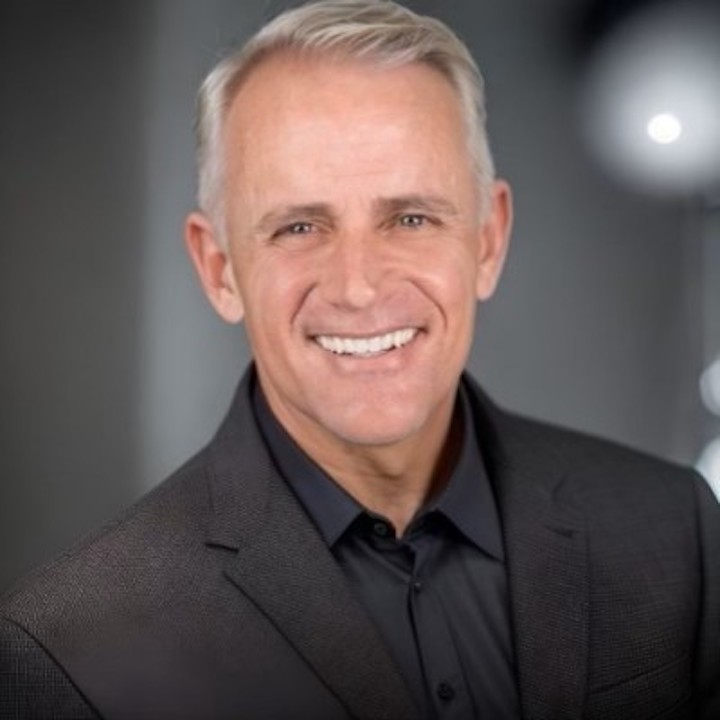

JACKSONVILLE, NC, July 10, 2025 /24-7PressRelease/ -- Artificial intelligence is gaining traction in emergency response efforts across the country. For Rowdy Oxford, a Regional Emergency Preparedness Liaison Officer (EPLO) to FEMA, this is both an opportunity and a warning.
Rowdy Oxford brings over 20 years of experience in national security, disaster logistics, and crisis coordination. He has worked alongside federal agencies, military units, and local emergency managers during some of the nation's most challenging events. He believes AI tools can enhance how emergency systems prepare and respond. However, he also quickly points out the risks of using technology without proper safeguards.
"Artificial intelligence can help us detect threats earlier and respond more efficiently," said Oxford. "But we have to be careful. These tools should support people, not replace their judgment."
https://ideamensch.com/rowdy-oxford/ has seen cases where emergency response failed because of delays in communication or inaccurate data. New technology can help solve these problems. AI can process large amounts of information quickly. It can suggest evacuation routes and estimate resource needs. But Oxford says this speed is not enough on its own.
"If the data is flawed, the system gives flawed answers. If decision-makers do not understand how the AI works, they might trust it blindly. That can lead to real harm," he said.
Rowdy Oxford is especially concerned about fairness and accountability. He believes AI must be transparent. Emergency responders need to know where the information comes from and how it was processed. Otherwise, trust can break down in the middle of a crisis.
"Public safety depends on trust. If communities see mistakes and do not know who is responsible, confidence in the system drops. That makes future response even harder," he said.
Oxford points to examples of confused automated alerts. He also mentions times when emergency supplies went to the wrong places because the data models failed to capture local conditions. These kinds of errors are not just technical problems; they affect people directly.
He believes emergency planners should ask several key questions: Who owns the data? Who decides what goes into the model? How are vulnerable communities represented in the design process?
Rowdy Oxford is calling for a national framework to guide the use of AI in disaster response. He believes this should include independent reviews, shared training between agencies, and clear rules for private technology partners. He is not against innovation. But he believes public service values must shape it.
"Technology should improve how we serve people. It should not replace leadership or good planning," Oxford said.
His perspective comes from a career that spans public service and private industry. Oxford has worked in defense and safety companies and led teams across North and South America. He understands how fast technology moves in the private sector, but he also knows public systems have a different mission.
"Private companies can move fast. But when it comes to emergency response, the cost of failure is too high. We need standards. We need leadership that understands both sides," he said.
Oxford is also an advocate for building talent. He mentors veterans who want to work in emergency management. He believes people with military experience bring discipline, decision-making skills, and a sense of mission. With the proper support, they can take on leadership roles that help integrate technology meaningfully.
"Veterans are trained to think under pressure. They know how to lead teams and follow protocols. If we invest in them, they can help bridge the gap between systems and field operations," he said.
Oxford believes the future of emergency response will depend on how well we combine human judgment with technical tools. He does not see AI as a threat. But he believes its success depends on how well we prepare for its limits.
"The tools are only as good as the people who use them. We need to stay focused on people first, process second, and tools third. That order matters," he said.
As more agencies explore AI applications, Oxford encourages thoughtful planning. He wants to see leaders ask hard questions before making fast decisions. And he wants to make sure the public remains part of the conversation.
"Disasters are stressful enough. We need systems that make people feel safer, not more confused. That means being clear, being responsible, and always keeping the mission in view," he said.
To learn more visit: https://www.linkedin.com/in/rowdy-oxford-68197614/
# # #
Contact Information
Rowdy Oxford
Rowdy Oxford
Jacksonville, NC
United States
Telephone: 6167451245
Email: Email Us Here
Website: Visit Our Website