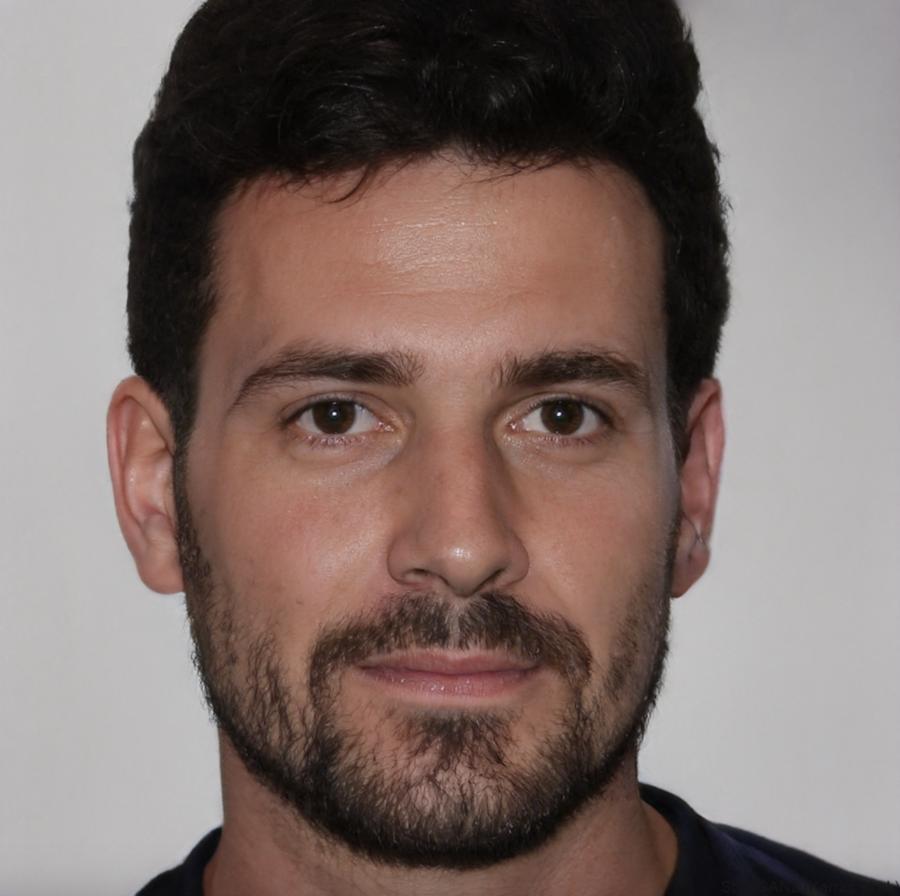

ATLANTA, GA, August 16, 2025 /24-7PressRelease/ -- Saswat Panda, a nature photographer based in Atlanta, Georgia, is bringing a fresh perspective to conservation. It is one rooted not only in stunning visuals but in community-driven environmental protection. Known for his emotional, story-rich photography of wild spaces across the American South, Saswat believes the most powerful solutions to ecological threats are local. His work now focuses on elevating the people and grassroots movements working to preserve endangered habitats and species before they vanish.
Through his lens, Saswat captures more than beauty. He captures urgency, resilience, and the often-overlooked faces of conservation: the small-town biologists, tribal elders, high school students, and local volunteers who are restoring ecosystems from the ground up. For Saswat, these stories are the future of environmental protection, and documenting them is both an artistic mission and a moral responsibility.
A Conservationist Turned Visual Storyteller
Before becoming a full-time photographer, Saswat studied Environmental Studies at the University of Georgia and worked in grassroots conservation. He led projects on habitat restoration and ecological education, spending long hours in the field connecting communities with their surrounding landscapes. That early work gave him a deep understanding of the ecological and social dimensions of conservation, insight that now shapes every frame of his photography.
"The people doing the hardest conservation work are often invisible," Saswat says. "They are not on magazine covers or giving keynote speeches. But they are the ones planting native species, tracking wildlife, and passing on local knowledge. These are the stories that matter most to me."
Still Wild: A Book About More Than Just Nature
Saswat's upcoming photo book, Still Wild, explores endangered landscapes and vanishing species across the American South. At its core, the book is about community. Through chapters dedicated to coastal guardians, forest stewards, and wildlife protectors, Saswat shines a light on the people keeping nature alive. These include Indigenous communities maintaining sacred ecological sites, rural landowners reintroducing native plants, and children learning to identify birds in urban greenspaces.
The book does not shy away from the threats facing these places: deforestation, climate change, and overdevelopment. However, it avoids despair. Instead, it offers a counter-narrative of hope built on cooperation, place-based knowledge, and the belief that ordinary people can do extraordinary things.
"I wanted to show that conservation is not something that happens far away or only through policy. It is something communities are doing every day, sometimes with very few resources but immense commitment," Saswat explains.
Photography Rooted in Ethics and Immersion
Saswat's approach to photography is immersive and deeply respectful. He often spends days or weeks in a location before ever picking up the camera, observing animal behavior, listening to local stories, and learning about the history of the landscape. His goal is to understand the full context of a place, not just to take a beautiful photo but to share an authentic story.
"I see myself as a guest in these environments," he says. "That means being careful where I step, how I engage, and how I represent both people and wildlife in my work."
This philosophy has made Saswat a trusted collaborator for environmental groups and land trusts. His images are used in public education campaigns, fundraising materials, and scientific outreach. He also leads workshops where he teaches aspiring photographers how to combine technical skill with ethical responsibility.
Amplifying Local Voices
One of Saswat's core values is amplifying the voices of those closest to the land. In many of his photo essays, he includes interviews with community members such as farmers, students, tribal leaders, and park rangers. Their stories bring depth to the visual narrative. He believes that these perspectives are crucial to changing how people relate to conservation.
"When we only hear from scientists or policy makers, we miss a lot of wisdom. Local communities have been stewarding these lands for generations. Their experiences should be front and center," Saswat says.
His storytelling often features moments of resilience. These include an elder teaching grandchildren how to plant medicinal herbs, a youth group building wildlife crossings along a busy road, or a family banding together to reforest a cleared patch of land. These snapshots remind viewers that environmental protection is not just a scientific issue. It is also cultural, emotional, and deeply personal.
Reaching New Audiences Online and In Person
Saswat has built an engaged audience on social media platforms like Instagram and YouTube. There, he shares behind-the-scenes insights, conservation news, gear tutorials, and ethical photography tips. These platforms allow him to reach a diverse audience, from seasoned photographers to young students just discovering their passion for nature.
Offline, he teaches photography and conservation workshops in schools, community centers, and public parks. These programs are often tailored to underserved communities, reflecting Saswat's belief that everyone should have access to nature education and storytelling tools.
"We need more storytellers from every background," he says. "If we want lasting change, we need to make sure everyone feels seen, heard, and equipped to protect the places they love."
Collaborating for Impact
Saswat regularly collaborates with nonprofits, environmental justice groups, and scientific organizations. Recent projects have included documenting wetland restoration in the Carolinas, working with Indigenous-led conservation groups in the Gulf Coast, and partnering with schools in Atlanta to develop nature-based learning programs.
He approaches these collaborations as shared creative efforts. The goal is not just to take photos but to co-create stories that align with the mission and values of each organization. This strategy ensures that his work supports real-world outcomes such as funding, awareness, and community mobilization.
A New Vision for Conservation
Saswat is part of a growing movement that sees photography as more than art or documentation. For him, it is a tool of connection and change. He challenges the traditional doom-heavy narratives of environmental media by offering an alternative: stories of communities that are already stepping up, already leading, and already protecting.
"We are surrounded by messages about what we are losing. But there is another story, that of people taking care of what is still here. I want to tell that story, because it invites action instead of despair," he says.
Looking forward, Saswat plans to continue expanding his educational outreach and visual storytelling. He hopes to develop a second photo book focused on the relationship between urban communities and nearby wild spaces. He also wants to launch a mentorship program that helps young people from underrepresented backgrounds explore nature photography as a career path.
Through it all, his guiding belief remains clear: conservation must be local, inclusive, and rooted in storytelling that inspires care.
About Saswat Panda
Saswat Panda is a nature photographer, educator, and environmental advocate based in Atlanta, Georgia. With a degree in Environmental Studies from the University of Georgia and a background in grassroots conservation, Saswat blends scientific understanding with artistic expression. His photographs have been featured in National Geographic, Smithsonian Magazine, Outdoor Photographer, and Nature Conservancy Magazine. He leads workshops, collaborates with conservation organizations, and shares his work on Instagram and YouTube. His first photo book, Still Wild, is currently in production and focuses on endangered habitats and vanishing species in the American South.
# # #
Contact Information
Saswat Panda
Saswat Panda Photography
Atlanta, Georgia
United States
Telephone: (415) 494-4103
Email: Email Us Here