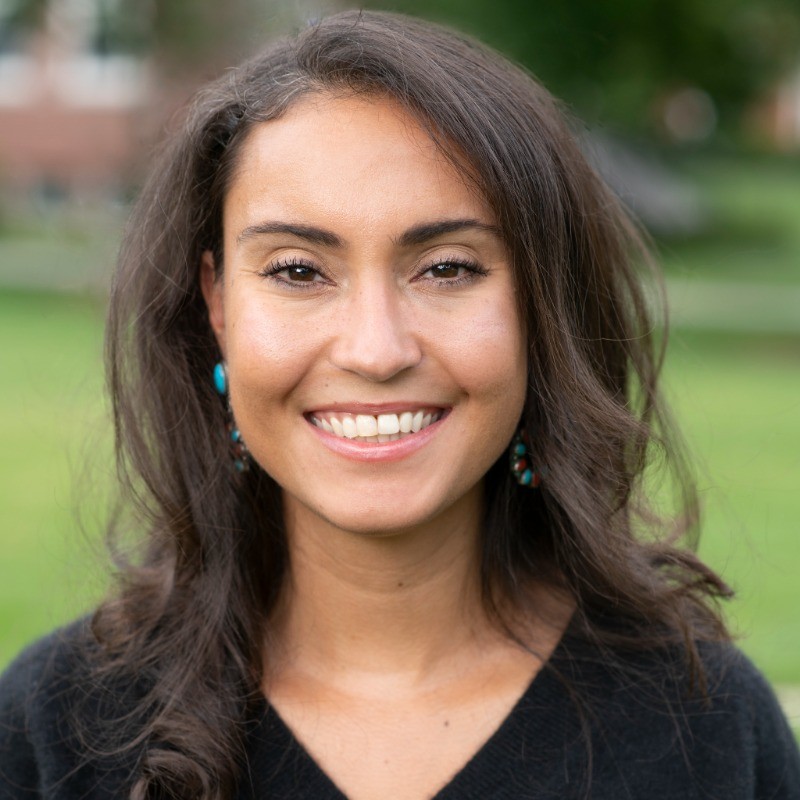

TORONTO, ON, August 29, 2025 /24-7PressRelease/ -- Lindsay Martel Montgomery, Associate Professor of Anthropology at the University of Toronto, is pioneering a new direction in archaeological practice through research that integrates Indigenous oral histories with traditional zooarchaeological methods. Her recent co-authored study, published in the Journal of Social Archaeology, examines centuries of human-avian relationships at Picuris Pueblo in northern New Mexico and demonstrates how collaborative approaches can challenge entrenched assumptions in the field.
Reframing Zooarchaeology
For decades, zooarchaeology — the study of animal remains in archaeological contexts — has operated within a Western framework that categorizes animals as either "wild" or "domestic." This binary reflects a nature-culture divide that does not align with Indigenous worldviews, where animals often hold relational, spiritual, and reciprocal roles within communities.
Montgomery's study directly addresses this divide by placing Indigenous oral traditions and ecological knowledge at the center of archaeological interpretation. Working in partnership with Picuris Pueblo tribal members, she and her co-author Melanie Cootsona developed a "gifting framework" that highlights principles of care, reciprocity, and respect in understanding human-animal interactions.
"Decolonizing archaeology requires listening carefully and to allow community knowledge to guide how we interpret the past," said Montgomery. "By centering oral histories, we move away from extractive practices and toward collaborative models that reflect Indigenous priorities."
The Gifting Framework
This research brings oral historical knowledge of animal management into conversation with archaeological evidence from turkey bones, including evidence of cut marks, burning, and breakage.These remains date between 1300 and 1800 CE; a period of major agricultural intensification and inter-ethnic exchange at Picuris.
Instead of viewing turkeys solely as economic resources, oral histories from community members situate these birds within a network of reciprocal relationships that structured community life. Through this gifting framework, turkeys emerge not just as food sources but as active participants in Picuris society, who played an active role in co-creating a sustainable agricultural landscape.
By integrating oral traditions with archaeological data, the research avoids treating Indigenous perspectives as metaphors or supplements to archaeological evidence. Instead,positioning them as authoritative sources that fundamentally reshape the questions archaeologists ask and the conclusions they draw.
Collaboration with Picuris Pueblo
The study is rooted in years of relationship-building with the Picuris Pueblo community. Montgomery emphasizes that such partnerships cannot be rushed or treated as short-term collaborations. The trust developed over time allowed community members to share oral histories and personal narratives that connect past practices with ongoing traditions.
Rather than viewing the archaeological site as a detached object of study, the research situates it as part of a living cultural landscape with enduring meaning for the community today. This approach is grounded in the goals of Indigenous archaeology, which prioritizes shared authority, accountability, and reciprocity over extractive research models.
Challenging the Nature-Culture Divide
In traditional Western frameworks, animals have long been divided into rigid categories, reinforcing a binary that limits understanding of human-animal relationships. Montgomery's work dismantles this binary by showing how Indigenous knowledge provides more nuanced interpretations.
The gifting framework demonstrates that turkeys were integral to Picuris oral tradition, material culture, land management practices, and cultural identity. This interpretation reframes human-avian relationships in ways that more accurately reflect Indigenous worldviews and challenges dominant archaeological paradigms.
Broader Impact on Archaeology
The implications of this research extend well beyond Picuris Pueblo. Montgomery's approach offers a model for ethical, decolonized archaeology that respects community values while maintaining academic rigor.
Her work aligns with calls from BIPOC scholars and critical theorists to move away from Western epistemologies that have historically marginalized Indigenous voices. By combining material analysis with oral traditions, Montgomery and Cootsona demonstrate that rigorous scholarship can also be relational, accountable, and transformative.
Teaching and Mentorship
Montgomery brings these principles into her teaching at the University of Toronto. Her courses emphasize community-based methods, Indigenous philosophies, and ethical research frameworks, preparing students to engage in decolonial practice both in academia and in cultural heritage institutions.
She also mentors students in collaborative research projects, encouraging them to view archaeology as a process grounded in care, respect, and partnership. Many of her students go on to work in museums, heritage agencies, and universities where they apply these principles in their professional careers.
A Commitment to Decolonization
For Montgomery, decolonizing archaeology is not simply about inclusion but about fundamentally restructuring systems of research, teaching, and heritage management.
"Decolonization cannot stop at symbolic gestures," she explains. "It requires rethinking how institutions operate and ensuring that Indigenous voices and leadership guide the process."
Her broader body of work advocates for Indigenous data sovereignty, community-led research agendas, and adherence to the United Nations Declaration on the Rights of Indigenous Peoples (UNDRIP). These commitments ensure that communities maintain control over how their histories are documented and shared.
Looking Ahead
The Journal of Social Archaeology publication is an important milestone, but Montgomery views it as part of a continuing collaboration with Picuris Pueblo. Future projects include exploring digital archiving, heritage education, and community-directed fieldwork, all grounded in the gifting framework.
As debates over accountability and inclusivity continue to grow within archaeology and heritage studies, Montgomery's research provides a clear example of what decolonial practice looks like in action. It demonstrates that when archaeologists work as partners rather than authorities, they can produce richer, more meaningful histories that honor both the past and present.
About Lindsay Martel Montgomery
Lindsay Martel Montgomery is an Associate Professor of Anthropology at the University of Toronto. She earned her Ph.D. in Anthropology from Stanford University and specializes in Indigenous archaeology, heritage ethics, and community-based research. Her projects across North America have advanced models of trauma-informed practice, Indigenous data governance, and collaborative heritage management.
Montgomery's leadership as a scholar, educator, and collaborator has made her a recognized voice in the movement to decolonize archaeology. Her research continues to influence how universities, museums, and heritage organizations engage with Indigenous histories.
She has secured funding from leading organizations, including the Wenner-Gren Foundation, the National Science Foundation, and the Social Sciences and Humanities Research Council of Canada (SSHRC), underscoring the global relevance of her scholarship.
Montgomery is also a dedicated mentor who integrates BIPOC perspectives and Indigenous worldviews into the classroom, preparing the next generation of archaeologists to approach research with humility, accountability, and reciprocity.
# # #
Contact Information
Lindsay Martel Montgomery
Lindsay Martel Montgomery
Toronto, Ontario
Canada
Telephone: (415) 494-4103
Email: Email Us Here