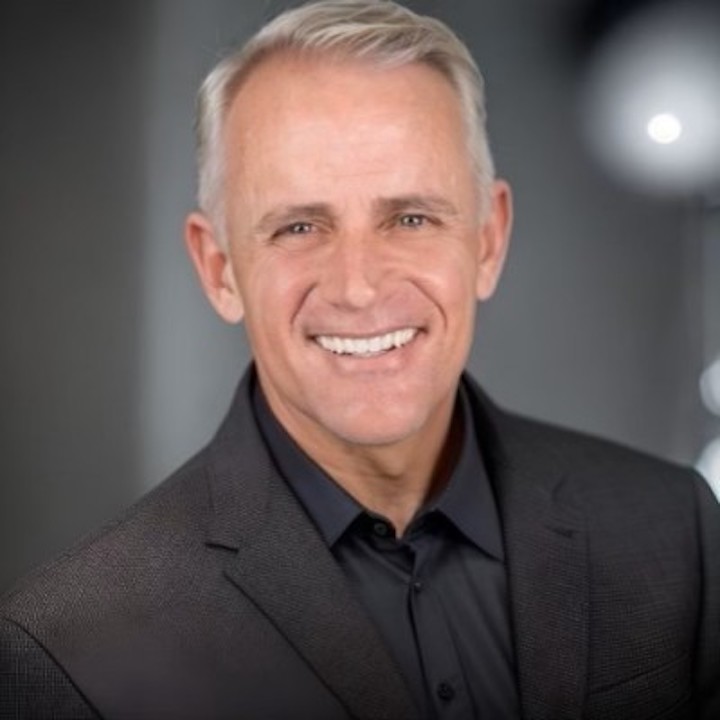

CHARLOTTE, NC, September 27, 2025 /24-7PressRelease/ -- Trust has long been considered one of the most valuable currencies in leadership. According to Rowdy Oxford, an experienced leadership advisor and business development leader at JD Martin, it is also the most overlooked. While organizations spend heavily on systems, processes, and performance tools, many fail to invest in the one element that can determine whether those efforts succeed or fall flat: the ability of leaders to earn and maintain the trust of their teams and partners.
Oxford emphasizes that leadership cannot thrive without trust at its foundation. A title or position may provide authority, but trust grants influence. Employees and partners who believe in their leaders are more engaged, resilient during change, and willing to go above and beyond to pursue organizational goals. Without that trust, even the most capable manager cannot unite a team or build strong external relationships.
In his new role leading business development at JD Martin, a company representing major electrical manufacturers, Oxford sees this principle daily. His position requires connecting the right products, from power distribution to automation and energy solutions, with contractors, distributors, engineering firms, and end users. These relationships thrive when built on trust. Contractors and clients rely not only on the quality of the products but also on the confidence that Oxford and his team will deliver the right solutions with integrity and accountability.
He points to a growing body of research that connects high levels of trust in leadership with stronger retention rates and higher productivity. In workplaces and industries where trust is lacking, the opposite occurs. Employees disengage, partnerships weaken, communication breaks down, and turnover rises. Oxford argues that these outcomes are not simply issues of workplace morale but direct threats to long-term business performance and industry credibility.
One of the central ideas Oxford shares is that trust cannot be mandated or manufactured. It is earned through consistent behavior and reinforced over time. Leaders who demonstrate transparency, admit mistakes, and hold themselves accountable build credibility in the eyes of their teams and clients. Those who overpromise, fail to listen, or ignore concerns quickly erode confidence. Once lost, rebuilding trust can be a long and challenging process.
Rowdy Oxford also stresses that trust building is not a soft skill reserved for periods of stability. In fact, it becomes most crucial in times of uncertainty or crisis. Teams and clients look to leaders for reassurance, clarity, and direction when conditions are unclear. Leaders who are open about challenges while still projecting confidence can strengthen bonds during these critical moments. In contrast, leaders who obscure the truth or appear disconnected risk widening the gap between themselves and those they lead.
The rise of remote and hybrid work, combined with evolving industry demands, has made this issue even more pressing. Leaders no longer interact with their employees or clients solely through in-person conversations. Virtual communication and large-scale projects demand a higher level of intentionality to ensure that trust is maintained across different channels. Oxford encourages leaders to prioritize clarity, empathy, and responsiveness in every interaction, reminding them that each decision and message shapes their perceptions.
Beyond communication, Oxford identifies fairness and consistency as cornerstones of trust. Employees and partners must feel that leaders apply standards equitably and make decisions guided by principles rather than favoritism. A leader who treats one stakeholder differently from another without justification risks undermining the very trust they aim to cultivate. On the other hand, consistency signals reliability and stability, two qualities people seek in those guiding them.
Oxford's insights are grounded not just in theory but in decades of observing organizations and now in the hands-on responsibilities of his work at JD Martin. His perspective underscores that leadership is not about commanding compliance but about inspiring commitment. Trust transforms compliance into commitment, turning tasks into shared goals and partnerships into lasting collaborations.
Rowdy Oxford suggests that cultivating trust should be seen as a strategic imperative, not a cultural afterthought for organizations. Leadership development programs that focus solely on technical skills miss the larger point if they do not address the human side of management. Training leaders to communicate openly, demonstrate empathy, and lead with integrity is not an optional add-on but a requirement for success in today's workplace and marketplace.
Trust has become more critical in a business environment of rapid change, technological advancement, and heightened expectations. As Rowdy Oxford continues his work at JD Martin and beyond, his message remains clear: trust is not merely a desirable trait in management; it is the cornerstone on which effective leadership and sustainable partnerships are built.
To learn more visit: https://rowdyoxford.com
# # #
Contact Information
Rowdy Oxford
Rowdy Oxford
Jacksonville, NC
United States
Telephone: 6167541245
Email: Email Us Here
Website: Visit Our Website