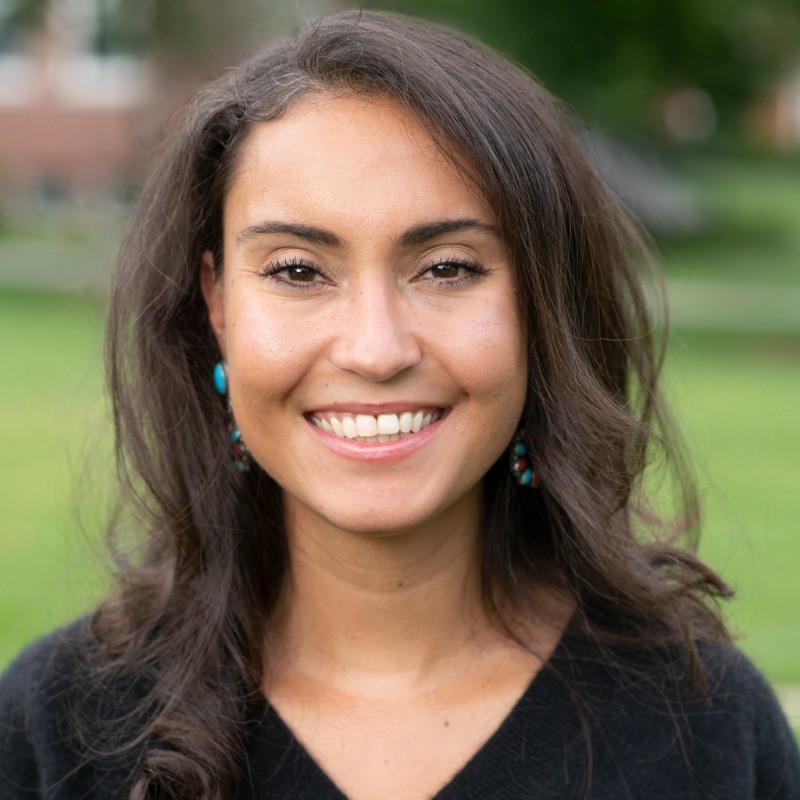

TORONTO, ON, November 05, 2025 /24-7PressRelease/ -- Lindsay Martel Montgomery, Associate Professor of Anthropology at the University of Toronto, is leading a collaborative initiative that exemplifies the future of community-based archaeology. Through a long-standing partnership with Picuris Pueblo, Montgomery and her students are helping to return, document, and interpret the tribe's cultural materials as part of the Picuris Pueblo Collaborative Archaeology Project (PCAP). The work represents a shared commitment to ethical research, cultural revitalization, and Indigenous sovereignty in heritage management.
The project, which formally began in 2018, has recently hit a significant milestone: the preparation of 265 boxes of archaeological materials for return from the Fort Burgwin Anthropology Laboratory at Southern Methodist University (SMU)–Taos to the newly opened Picuris Pueblo Museum & InterpretiveCultural Center. The much anticipated deaccessioning process marks not only the physical return of Picuris' cultural heritage but also a powerful act of reclamation—returning narratives, knowledge, and stewardship to the community from which they originated.
Repatriation as Relationship Building
For Lindsay Martel Montgomery, repatriation is a practice of relationship-building, care, and accountability. In June 2025, Montgomery and her team of graduate students conducted an extensive collections inventory at SMU–Taos. Their task involved cataloging, photographing, and preparing the materials—some dating back to the 10th century—for transfer to Picuris Pueblo. The collection represents generations of cultural memory and archaeological research once stored away in institutional archives.
Building bridges between community members, students, and collections staff was a key part of this process. Throughout the inventorying, youth interns from the Picuris museum and members of Tribal Council had a chance to visit the collections and examine their ancestral materials. This was a mutual learning experience that gave the next generation of archaeologists and tribal cultural heritage managers an opportunity to practice an ethical archaeology, grounded in respect and reciprocity rather than extraction.
"The process of repatriation isn't just about returning objects," Montgomery explained. "It's about restoring relationships between people, places, and histories. When students work alongside community members, they learn that archaeology is not just about the past alone—it's an ongoing dialogue about belonging and care."
Supporting the Picuris Pueblo Cultural Center
The Picuris Pueblo Cultural Center, which held its grand opening on August 10, 2025, represents a new era for the community. Built as a space to preserve, interpret, and celebrate the tribe's rich history, the center will now house materials that once resided in the collections of major museums, archives, and universities. The Museum & Interpretive Center will also serve as an educational hub, allowing tribal members to engage directly with ancestral artifacts and stories.
To support the center's continued growth, the Picuris Pueblo Museum and Interpretive Center has launched a fundraising campaign to help maintain facilities, create new exhibits, and expand community programming. Montgomery's ongoing collaboration with the Pueblo aligns with these goals by ensuring that the research process remains transparent, community-directed, and sustainable.
Montgomery encourages broader institutional awareness and public support for these efforts. "Community museums like the one at Picuris are vital spaces of self-determination," she said. "They are where knowledge is shared on the community's own terms. Supporting these institutions helps ensure that heritage stewardship remains in the hands of the people to whom it belongs."
Collaborative Learning and Student Engagement
The Picuris Pueblo Collaborative Archaeology Project (PCAP) functions as both a research initiative and an educational partnership. Through PCAP, Montgomery's students participate in a variety of activities that connect classroom learning with real-world application. These include conducting research on cultural materials, preparing exhibitions, and presenting findings at community events hosted by Picuris Pueblo.
Students also assist in community-driven initiatives, such as clearing and rehousing artifacts from older cultural facilities, helping with conservation tasks, and contributing to cataloging projects. Each step in this process reflects Montgomery's teaching philosophy—one that centers on applied research, collaboration,and accountability.
Her mentorship prepares students to enter the field of archaeology not just as researchers but as allies and partners in heritage preservation. "By involving students in this work," she noted, "we're showing them that ethical practice is not an optional part of archaeology. It is the foundation of the discipline."
A Model for Ethical Archaeology
Montgomery's collaboration with Picuris Pueblo exemplifies a growing movement within archaeology to decolonize research practices and redefine academic-community relationships. Rather than focusing solely on discovery or publication, Montgomery's work prioritizes relationship maintenance, shared authority, and community benefit.
The PCAP model encourages institutions to rethink how research is designed and who it ultimately serves. It integrates Indigenous data sovereignty, ensuring that the community maintains control over how artifacts, records, and findings are stored and shared. The collaboration also fosters cultural continuity, allowing future generations of Picuris Pueblo members to access, interpret, and teach their heritage on their own terms.
Through partnerships like this, Lindsay Martel Montgomery challenges universities and museums to act with responsibility and transparency. Her approach reflects a wider commitment to the United Nations Declaration on the Rights of Indigenous Peoples (UNDRIP), particularly in ensuring free, prior, and informed consent in research and heritage work.
Continuing the Work Ahead
As the Picuris Pueblo Cultural Center continues to expand, Montgomery and her team plan to maintain their collaboration with the director John Galuska through new projects, training opportunities, and community events. Future initiatives may include the creation of digital archives, expanded student internships, and the development of bilingual educational materials in Tiwa.
The partnership stands as a living example of what ethical archaeology looks like in practice: a model that honors Indigenous leadership, supports educational exchange, and builds bridges between academic institutions and communities.
Reflecting on the ongoing journey, Montgomery shared, "This project reminds us that archaeology can be a force for restoration. When we return collections and share authority, we move closer to a more honest and inclusive understanding of the past—and a more just vision for the future."
About Lindsay Martel Montgomery
Lindsay Martel Montgomery is an Associate Professor of Anthropology at the University of Toronto and a leading scholar in Indigenous archaeology, heritage ethics, and collaborative research. She earned her Ph.D. in Anthropology from Stanford University and has built an international reputation for advancing decolonial approaches to archaeology. Her projects across North America focus on Indigenous data governance, trauma-informed research, and long-term partnerships that prioritize community authority.
Montgomery has received major funding from organizations including the Wenner-Gren Foundation, National Science Foundation, and the Social Sciences and Humanities Research Council of Canada (SSHRC). In addition to her academic work, she consults with museums, universities, and heritage organizations to promote ethical cultural resource management. Her ongoing collaboration with Picuris Pueblo reflects her dedication to reshaping archaeology as a field rooted in respect, reciprocity, and relationship.
For more information, please feel free to visit https://www.lindsay-montgomery.com/
# # #
Contact Information
Lindsay Martel Montgomery
Lindsay Martel Montgomery
Toronto, Ontario
Canada
Telephone: (415) 494-4103
Email: Email Us Here