
ATLANTA, GA, January 22, 2026 /24-7PressRelease/ -- The South Korean government is facing growing domestic and international criticism after senior officials publicly named a specific religious denomination, used stigmatizing language, and ordered investigations and what they described as its "eradication," fueling allegations of religious persecution.
International observers, including U.S. President Donald Trump, expressed concern that such actions may undermine core democratic principles, particularly freedom of religion and the separation of powers. Commentators abroad have noted the contrast between South Korea's global image as a cultural powerhouse and the recent controversy over raids on churches.
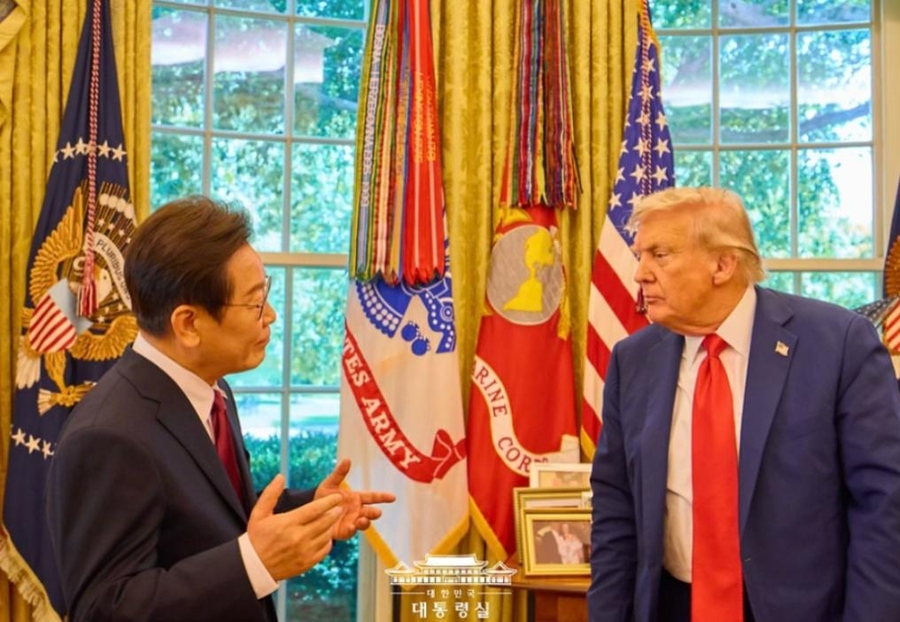
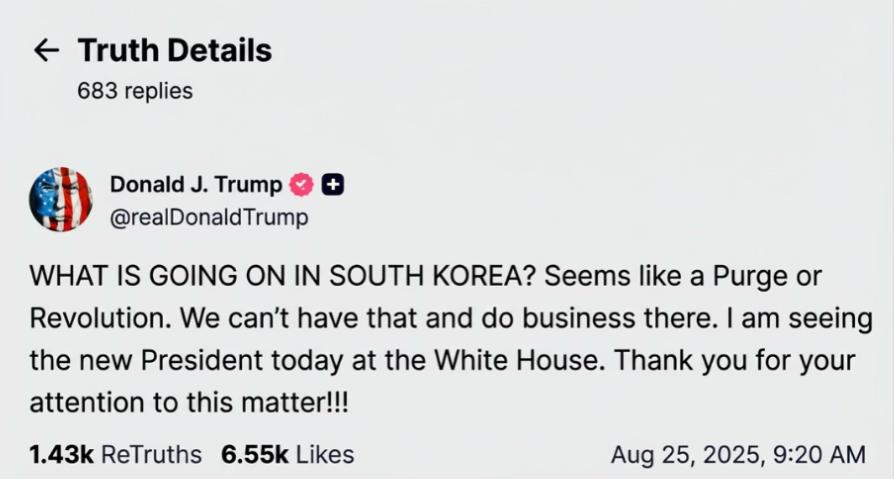
In August 2025, U.S. President Donald Trump publicly stated that he had received reports of "very vicious raids" on churches by the South Korean government, including allegations that authorities had entered U.S. military bases to gather information—warning that it looked as though "a purge or a revolution may be taking place." It is rare for a U.S. president to publicly criticize the internal law enforcement actions of a close ally. Trump's remarks signal the seriousness with which the situation is being viewed internationally. International concern continues to grow over South Korea's actions toward religious groups.
After learning more about large-scale raids on churches in South Korea, Trump condemned the actions as "a very bad thing." Spectators note that it is highly unusual for the president of a close U.S. ally to publicly question another nation's internal law-enforcement practices—especially in terms this severe.
Concern has not been limited to political leaders. In December, the International Democracy Union announced it would continue monitoring South Korea's adherence to democratic norms and fundamental rights, with the adoption of a formal resolution on democracy and the rule of law in South Korea considered a rare and serious step.
Under the International Covenant on Civil and Political Rights (a treaty the United States and South Korea both recognize), freedom of religion is a protected right, and any state intervention must meet strict standards of legality, proportionality, and minimal intrusion.
For Americans, this raises a familiar and urgent question: How far should government power be allowed to go when it comes to religion and civil liberties? As scrutiny of South Korea's democracy intensifies, global attention is growing and the world is watching how democratic allies respond when fundamental freedoms are at stake.
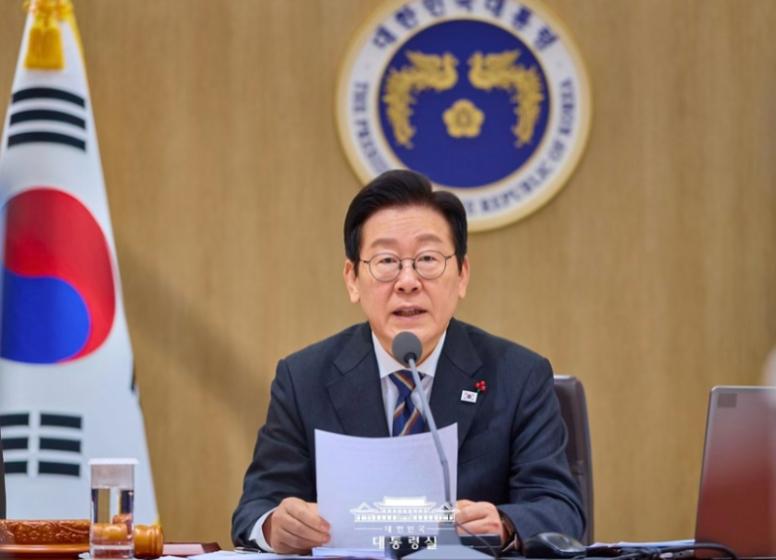
Even though President Trump had advised against it, on January 12, President Lee Jae Myung publicly singled out Shincheonji Church of Jesus and other religious groups, claiming that the "harm they cause to society has been left unchecked for too long." Human rights advocates immediately raised concerns about this language, emphasizing that such statements unfairly target religious organizations and ignore the fact that there is no credible evidence of wrongdoing by Shincheonji, which continues to operate in accordance with the law and principles of religious freedom.
The following day, Prime Minister Kim Min-seok amplified this rhetoric in a cabinet meeting, labeling the groups "pseudo-religion" and "cult" and ordering a joint investigation aimed explicitly at their "eradication."
Since then, a multi-agency law enforcement task force has been launched, investigations are underway, and discussions in the National Assembly about appointing a special prosecutor have intensified fears that coercive state actions, including raids and seizures, may soon follow.
Article 20 of South Korea's Constitution guarantees freedom of religion as a fundamental right. Critics warn that when the highest executive authorities publicly condemn a specific religion before any judicial ruling, they effectively weaponize state power to stigmatize belief systems, normalize hostility, and legitimize religious persecution.
Given that President Lee was elected following the impeachment of a former president over unconstitutional actions, observers note that renewed rhetoric perceived as undermining constitutional principles raises serious concerns about democratic regression in South Korea.
Founded in 1984 by Chairman Lee Man-hee, Shincheonji, the fast-growing Christian church has expanded by more than 100,000 members annually (growth that citizens say has made it a convenient political target).
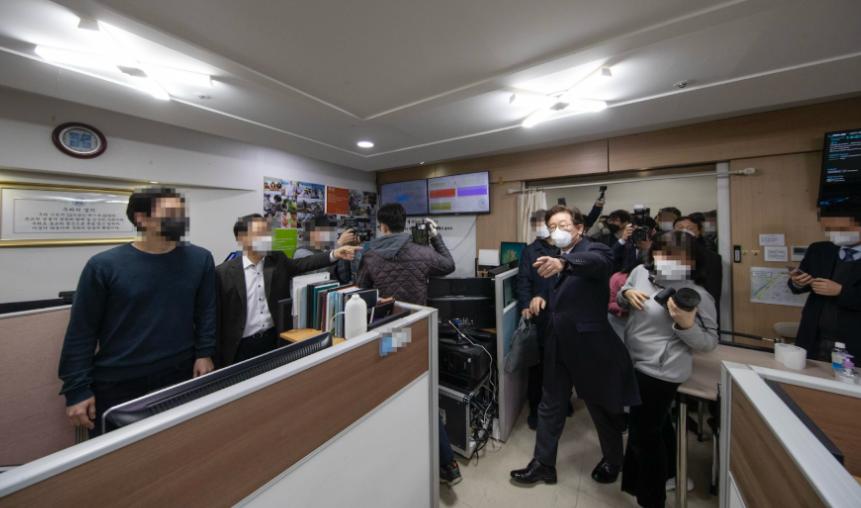
During the 2020 COVID-19 outbreak, many churches in Korea were subjected to aggressive state actions. Shincheonji was targeted with more than ten search-and-seizure operations and a forced entry into its headquarters led by then–Gyeonggi Governor Lee Jae Myung. South Korean courts later cleared the church of major charges, including alleged violations of infectious disease laws.
Despite repeated accusations, the judiciary has consistently ruled no charges or not guilty. Shincheonji now warns that issues already settled by the courts are being recycled to justify renewed political and public attacks.
The church maintains it seeks no political conflict—but it is standing firm against being used as a scapegoat. Defending Shincheonji's rights is about defending the rule of law, religious freedom, and the principle that innocence must matter. This is a fight for justice, and it demands public courage and solidarity.
Related Link:
https://shincheonji-usa.org
# # #
Other Media
Contact Information
Emily Parlier
New Heaven New Earth Atlanta
Norcross, GA
United States
Telephone: 4044816457
Email: Email Us Here
Website: Visit Our Website