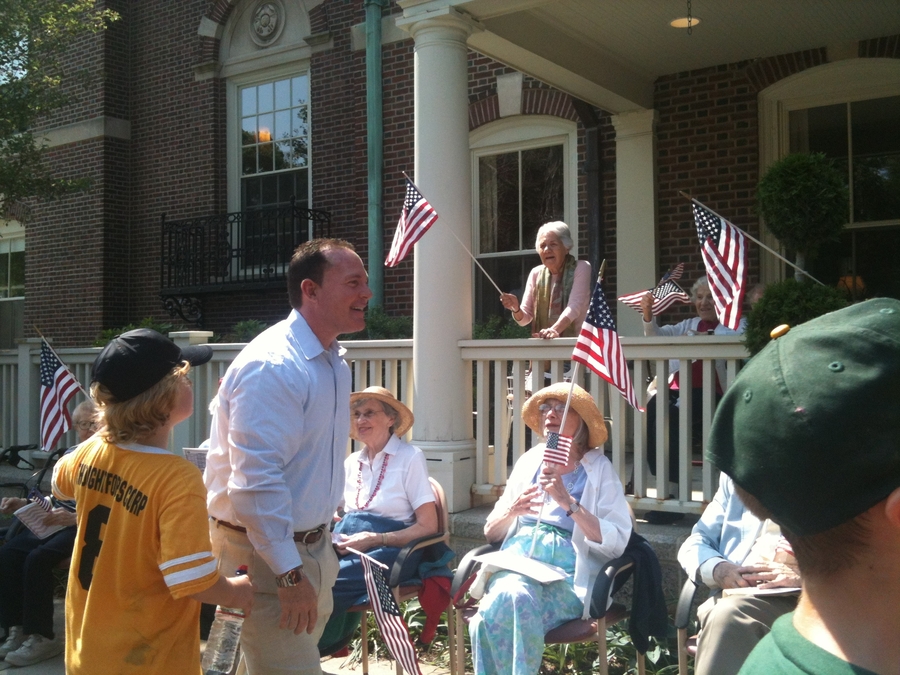

CAMBRIDGE, MA, February 06, 2026 /24-7PressRelease/ -- Anthony Galluccio, land use and permitting attorney and law partner at Galluccio & Watson LLP, is issuing a public alert about a common and avoidable risk he sees across communities and careers: moving forward without understanding the process.
After decades in public service, law, youth coaching, and charity leadership, Galluccio says the same mistake repeats itself. People rush and decide internally that their project is " good for the community". How would you like it if a team of suits came and told you how you should feel about a project in your neighborhood? The first public meeting should be after months of listening and getting to know your neighbors. Start ahead, stay ahead. Start with mistrust and you may never recover.
Public process is my trademark. Some clients resist it but they either listen or learn the hard way. Treat people as you would want to be treated if the project was in your neighborhood. " Some developers focus on the real anti everything activists and then lose the forest through the trees. Loud critical voices are just part of the process and do not write them off as people you can never satisfy. Opposition can be cooled and opponents can become supporters. Good intentions aren't enough," Galluccio said in a recent interview. Remember you are changing the community. Take the time to build trust and earn people's support. It's worth it and even if that means compromise.
Why This Risk Is So Common- Bunker mentality
Across industries and communities, lack of preparation leads to delays, stress, and broken trust. Consider these widely reported patterns: This often comes from highly paid teams sitting around for months telling each other what a great project it is and what a great deal it is for the community.
Studies show nearly 60% of project delays stem from poor planning or unclear processes.
More than half of people report avoidable stress linked to last-minute decisions.
Research suggests 40% of daily actions are habit-driven, meaning unplanned habits often guide outcomes.
Communities that lack public engagement in planning processes experience higher conflict and longer approval timelines.
Teams that skip preparation meetings are significantly more likely to miss deadlines.
"Speed feels productive," Galluccio said. "But getting real buy in is what actually moves things forward."
The Common Trap to Avoid- Drinking your own kool aid
The trap is sitting around the table at the architect's office allowing the project to evolve without public interaction or laying groundwork. Yes it's important to have a real and feasible project but passing around your own kool aid is not helpful. You need real feedback and get it before the project is introduced. It will take months and years to recover good faith in the community.
"Permitting isn't fast work," Galluccio said. "It's trust-based work."
Whether it is a project, a role, or a responsibility, skipping steps often creates more work later.
"Community process saves people time later," he added. "You either invest it upfront or pay for it later."
Quick Self-Check: Are You at Risk?
Answer yes or no to the following:
Did you skip community process before introducing the project
Do you allow created deadlines rather than actual benchmarks control the process
Do you rely on urgency instead of preparation?
Do you resent challenging questions and thinking like the community
Do you assume approval is appropriate or agreement without confirmation?
Do you see compromise or commitments as failure?
Do you skip planning because it feels slow?
Do you see criticism as a setback or opportunity
Do you start thinking you can win over the community or have you decided it impossible?
If you answered "yes" to three or more, this risk likely applies to you.
What to Do Next: A Simple Decision Tree
If you feel rushed most days:
Refine success as getting feasible entitlements approved on a reasonable timeline as success not an internal timeline
If you feel unclear about outcomes:
Be fluid in allowing the project to change and evolve with community input
If you feel resistance from others:
Encourage process that creates specific requests and embrace change so that the project becomes " theirs" not " yours"
If you feel overwhelmed:
Remind yourself that no one is " entitled" to permits, they must be earned
"Every day is like a game," You win, you reflect and get better , you lose, you get to practice and get better. " Accept this is a journey and if it were easy everyone could do it.
A Call to Action
Comfort the community before they are unnerved. Tell them there will be another meeting before the first one starts, Community anxiety is the enemy.
"Trust is built when you show up consistently and respond to concerns " Galluccio said.You have to get beat up, endure and prove to the community you are worthy of partnership.
Anthony Galluccio is a Cambridge-based attorney and law partner at Galluccio & Watson LLP, where he focuses on land use, zoning, and permitting. He has headed up historic rezonings, community benefits, agreements, and permitting of some of the largest projects in Cambridge and Somerville. Much of Kendall square, the life science epicenter of the world has been driven by zoning by Galluccio advance. He previously served on the Cambridge City Council, as Mayor of Cambridge, and as a Massachusetts State Senator. As Mayor he used good faith to settle difficult teacher contracts and negotiate with institutions like Harvard and MIT and others to create community benefits like the Harvard Cambridge summer academy and the Biolab for high school students at Biogen. He has coached youth sports for over 20 years and founded charities supporting paediatric cancer care, youth sports, and families in need. His work centres on consensus building, consistency, and community trust.
# # #
Contact Information
Anthony Galluccio
Anthony Galluccio
Cambridge, MA
United States
Telephone: ...
Email: Email Us Here