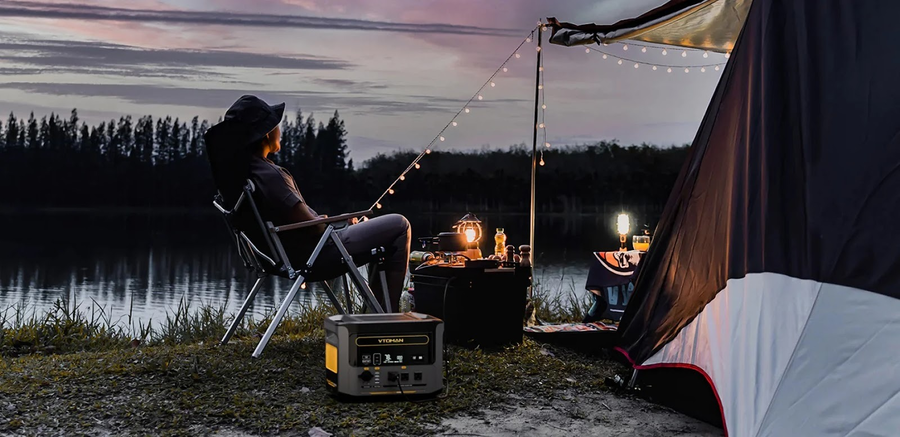

SHENZHEN, CHINA, February 13, 2026 /24-7PressRelease/ -- Living in an RV offers freedom, flexibility, and a closer connection to the road—but it also raises practical questions, especially around electricity. Unlike a traditional home, an RV operates within clear energy limits. From lighting and device charging to cooking and remote work, nearly every aspect of daily life depends on how power is generated, stored, and used. For many travelers, a power station becomes the backbone of this mobile lifestyle, shaping not only how long they can stay off-grid but also how comfortably they can live along the way.
As RV travel continues to grow in popularity, the way people use electricity on the road is also changing. What once revolved around basic lighting and simple appliances now includes remote work, online communication, and digital entertainment. Comfort and connectivity have become expectations rather than luxuries, creating new demands for flexible and reliable energy solutions. In response, portable power stations have become increasingly relevant, offering a practical way to support daily life without relying entirely on campground hookups or constant engine use. Understanding how long that power can realistically last begins with understanding how RV life actually consumes energy.
What Does "Daily Power Use" Look Like in an RV?
Daily power use in an RV is shaped less by large appliances and more by a collection of smaller, essential devices. Phones, laptops, lights, water pumps, fans, and routers are often used throughout the day in short but frequent intervals. Individually, these devices may not seem demanding, but together they create a steady and continuous draw on available energy.
Unlike a traditional home, RV living encourages intentional energy habits. Power is rarely left running without purpose. Travelers often plan usage around daily routines—charging devices in the morning, working during daylight hours, and relying on lighting and entertainment in the evening. A remote worker living on the road may consume far more power than a weekend traveler, not because of luxury, but because work requires consistent connectivity and reliable devices.
What Really Determines How Long Your Power Lasts
How long stored energy can support daily life depends on several interconnected factors. Battery capacity is an important starting point, but it does not tell the whole story. Actual usage patterns—what devices are used, how often, and at what power level—play an equally significant role.
High-draw appliances can drain energy quickly, even if they are only used for short periods. Running multiple devices at the same time also increases demand and shortens available runtime. Environmental conditions matter as well. Hot or cold weather can increase energy use through fans, ventilation, or heating devices. Finally, access to recharging opportunities during the day—whether through driving or other sources—can dramatically extend how long power remains available.
From One Night to Off-Grid Living: Realistic RV Scenarios
For short stays or overnight stops, power needs are typically modest. Charging devices, using lights, and preparing simple meals usually require minimal energy, allowing stored power to last comfortably through the night and into the next day.
Longer trips introduce more complexity. Weekend travelers may balance entertainment, cooking, and occasional work, while extended off-grid living requires careful planning and prioritization. Remote workers, for example, often focus energy on laptops and networking equipment while limiting use elsewhere. In these scenarios, success is less about maximizing power and more about managing expectations and usage patterns realistically.
How to Make Your Power Last Longer on the Road
Making power last in an RV is largely a matter of strategy. Prioritizing essential devices, staggering high-consumption tasks, and avoiding unnecessary overlap can significantly extend available energy. Many travelers also adapt their routines to natural daylight, reducing reliance on artificial lighting and spreading power use more evenly throughout the day.
Just as important is mindset. RV living is not about recreating a traditional home on wheels, but about adapting daily habits to a mobile environment. When energy use is intentional and informed, stored power can support a surprisingly comfortable, connected, and productive life on the road.
# # #
Contact Information
Junbing Zeng
VTOMAN
SHEUNG WAN, Hong Kong
China
Telephone: n/a
Email: Email Us Here
Website: Visit Our Website
Blog: Visit Our Blog

