
BRICK, NJ, May 25, 2026 /24-7PressRelease/ -- The corporate environment consistently presents a difficult scenario for its most capable professionals. Directors and mid-level managers who excel at their daily operations frequently find themselves blocked from executive advancement. These individuals deliver projects on time, manage large teams effectively, and solve complex problems. Yet, when senior leadership positions open, these highly reliable operators are routinely passed over in favor of outside candidates or peers with different skill sets.
This repeating pattern reveals a fundamental flaw in how organizations approach professional growth. Traditional leadership development models heavily prioritize execution and tactical efficiency. While these skills are necessary for early and mid-career success, they do not automatically prepare an individual for the demands of the executive suite.
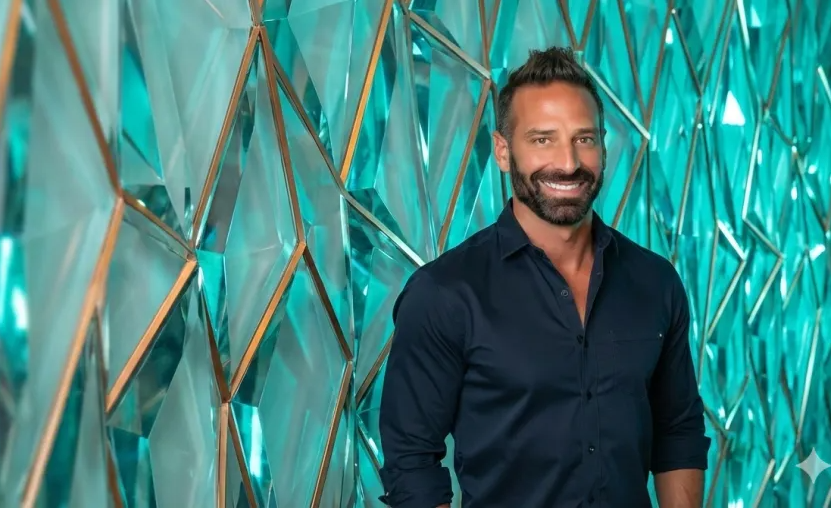
According to Brian Baldari, this dynamic creates a systemic barrier for top performers. They become trapped by their own success. The very competencies that earned them their current roles become the exact reasons they are viewed as unsuitable for strategic leadership positions.
The Inadequacy of Conventional Training Programs
Most corporate training initiatives focus on improving a manager's ability to handle immediate challenges. Workshops and seminars frequently cover topics such as conflict resolution, time management, and process optimization. These programs teach leaders how to run their current departments more efficiently. They rarely teach leaders how to influence the broader strategy of the entire enterprise.
As a result, high-performing managers continue to sharpen their operational tools. They become faster at putting out fires and more adept at managing quarterly budgets. However, executive roles require an entirely different perspective. A chief officer or executive vice president is not evaluated on their ability to manage a specific department's daily workflow. They are evaluated on their capacity to forecast market trends and align cross-functional teams toward a unified corporate vision.
When traditional models ignore this critical distinction, they fail both the organization and the individual. Capable professionals assume that working harder and delivering better metrics will eventually lead to a promotion. They wait for recognition that never arrives. This creates a cycle of frustration and stagnation that can ultimately drive top talent away from the company entirely.
The Danger of the Super-Operator Identity
Organizations naturally reward those who provide stability and consistent output. When a manager proves they can handle crises with ease, the company relies on them more heavily. Over time, these individuals become super-operators. They are indispensable to the daily functioning of their business units.
This indispensability feels like a sign of professional security and value. In reality, it acts as a severe constraint on career progression. Senior executives hesitate to promote a super-operator because replacing them in their current role would disrupt operations too much. The manager becomes too important to their department to be elevated to the enterprise level.
Brian Baldari identifies this phenomenon as a common trap for dedicated professionals. Super-operators cement an identity based entirely on execution. They are perceived as the ultimate problem solvers rather than strategic thinkers. Breaking free from this perception requires a deliberate and structural shift in how they position themselves within the company.
Moving Beyond Formal Authority
Another significant limitation of traditional development is its reliance on formal authority. Mid-level managers typically achieve their goals by directing the teams that report directly to them. They have the organizational power to assign tasks and demand compliance.
At the executive level, formal authority is much less effective. Senior leaders must frequently drive initiatives across departments where they have no direct control. They must build consensus among peers, negotiate with other executives, and persuade stakeholders to support new directions. This demands a high degree of influence rather than simple command.
Most conventional leadership programs do not adequately address the mechanics of building this type of enterprise-wide influence. They do not teach rising leaders how to map organizational power structures or how to build strategic alliances. Consequently, when highly successful managers attempt to operate at the senior level, they often struggle to gain traction outside their own specific functions.
Implementing Strategic Architecture
To address these shortcomings, professionals must adopt a new approach to their career progression. Rather than simply working harder, they must redesign their approach to corporate interaction. This process involves viewing leadership not as a series of actions, but as a carefully constructed system.
This methodology evaluates how a leader's value is perceived across the entire enterprise. It looks beyond the immediate outcomes of a specific department. The focus shifts to the influence generated in higher-level strategic forums. It requires alignment between a leader's true capability and their visibility among executive decision-makers.
Brian Baldari emphasizes that this transition demands a complete redefinition of professional identity. Leaders must actively move away from being the primary problem solver. They must consciously position themselves as contributors to the broader strategic direction of the company. Without this intentional redesign, they will remain categorized strictly as operational assets.
The Importance of Structural Wellness
A major element often missing from traditional development is the evaluation of role design. Many capable leaders carry immense responsibility but lack the necessary authority or visibility to effect real change. This imbalance creates significant friction and artificially limits advancement.
This concept is known as structural wellness. It examines the alignment between what is expected of a leader and the access they have to decision-making environments. In many cases, an individual delivers exceptional results but remains excluded from the conversations where enterprise strategy is actually formed.
Correcting this imbalance is a fundamental requirement for executive transition. It requires a clear assessment of reporting relationships and communication channels. Leaders must identify where their visibility is lacking and take deliberate steps to secure representation in strategic discussions.
Achieving Long-Term Career Certainty
The ultimate goal of redefining leadership development is to provide professionals with a clear path forward. Relying on traditional models leaves managers guessing about how to reach the next level. They operate in reactive execution, hoping their hard work gets noticed by senior executives.
A structured approach removes this ambiguity. By focusing on purposeful visibility, leaders can dictate their own trajectory. They learn to communicate value in terms that resonate with corporate boards.
Through ResilExec Coaching, Brian Baldari advocates for disciplined execution of these principles. Operational success will always serve as the foundation of a strong career. However, sustained executive influence requires a structured departure from traditional models that keep talented professionals locked in mid-level roles.
# # #
Contact Information
Brian Baldari
ResilExec Coaching
Brick, New York
United States
Telephone: 201-492-0027
Email: Email Us Here
Website: Visit Our Website