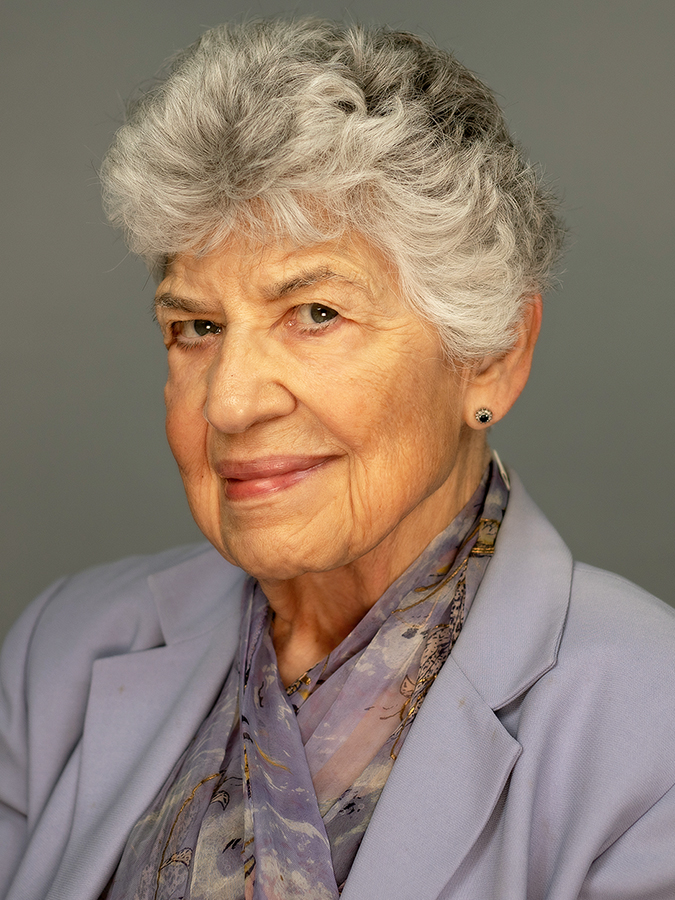

EL CAJON, CA, August 25, 2026 /24-7PressRelease/ -- Dr. Cynthia Park of San Diego State University, a longtime educator, mentor, program leader, and advocate for social justice, recently joined host Ryan Estes on the Marquis Masters podcast to discuss more than four decades of work helping students recognize their strengths, develop their talents, and transform lived experience into a source of insight and leadership. Known affectionately as "the Lioness," Dr. Park reflected on a career spanning 44 years, during which she has developed educational programs, led initiatives serving students from humble backgrounds, founded the Institute for Transformative Education, taught internationally, and mentored generations of educators and students.
A central theme of the conversation was Dr. Park's rejection of the traditional deficit-based approach to education. Rather than viewing first-generation and economically disadvantaged students primarily through the lens of gaps or shortcomings, Dr. Park believes educators should recognize the cultural knowledge, experiences, interests, and potential students already possess. "You want to help the students find their talent or their interest," Dr. Park explained, emphasizing that educators can unintentionally limit students when they begin with the assumption that something is wrong with them that needs to be fixed. Her approach focuses on creating positive environments in which students can identify their strengths and envision how those strengths can contribute to their communities.
Dr. Park also emphasized the importance of listening as a foundational skill for educators and mentors. Through programs that incorporated reflection, small-group discussions, near-peer mentoring, and residential learning experiences, she encouraged students to talk about their hopes, dreams, identities, and aspirations. For Dr. Park, effective teaching begins with understanding how students think rather than simply delivering information. She described asking students, "I'm interested in knowing how you think," as a powerful way to encourage metacognition, the ability to think about one's own thinking, and to help students become more intentional learners.
Reflection and reflexivity have likewise played a defining role in Dr. Park's professional life. She explained that regularly revisiting experiences, particularly difficult ones, can help individuals understand themselves, learn from what happened, and make better decisions in the future. Dr. Park's own reflections helped her recognize new meaning in a papier-mâché lioness given to her by one of her earliest groups of students at San Diego State University. The lioness, which remained by her fireplace for years, eventually became a symbol of her role as a mentor—supporting, protecting, and advocating for the students in her care. Dr. Park is considering "The Lioness at the Hearth" as a possible title for a future memoir.
Social justice is another cornerstone of Dr. Park's philosophy. She described her sense of "ferocity" as rooted in fundamental fairness and a belief in the value and dignity of every human life. Throughout her career, she has worked to ensure that students who may have been underestimated because of their socioeconomic backgrounds are treated as individuals with meaningful cultural traditions, perspectives, talents, and potential. For Dr. Park, mentorship carries a responsibility not only to guide students but also to protect them and advocate for them when they encounter injustice.
The conversation also explored Dr. Park's leadership experience and the challenges involved in creating and sustaining transformative educational programs. She recalled spending years working to secure institutional approval for the precursor to the Institute for Transformative Education and learning firsthand that meaningful student-centered work can encounter institutional resistance. Her experience taught her the importance of persistence, reflection, collaboration, and knowing when outside expertise is necessary. Dr. Park encouraged leaders to recognize when they need a consultant or another form of professional guidance rather than attempting to master every challenge alone.
Dr. Park's philosophy extends to teacher preparation, where she advocates for educators to move beyond lecturing and develop the ability to listen carefully, ask open-ended questions, and challenge students without imposing predetermined answers. She noted that beginning teachers often need to learn how to create space for students to think and speak for themselves. Effective questioning, she explained, requires educators to listen closely enough to understand when and how a challenge can be introduced without taking away the student's ownership of the learning process.
Health and physical activity also emerged as important elements of Dr. Park's educational philosophy. Having once walked approximately seven miles a day and continuing to incorporate regular walking into her routine, Dr. Park described walking as beneficial not only for physical health but also for solitude, creativity, reflection, and self-understanding. She has incorporated health objectives into educational curricula because she believes placing students' health at the center can help place students themselves at the center of the educational experience. She also discussed the importance of sleep, movement, and creating healthy boundaries around technology.
Technology presents a newer challenge for educators, Dr. Park observed, particularly the pervasive presence of smartphones in students' lives. Drawing on her experience leading intensive educational programs, she described structured limits on smartphone use as one way to help students remain engaged with learning and with one another. She argued that educators must help young people develop the discipline to put technology aside when face-to-face interaction, concentration, and learning require their full attention.
Dr. Park's international experiences have further shaped her perspective on education and community. Her work and studies have taken her to Germany, Holland, Morocco, Mexico, Colombia, and other locations, where she taught students and educators, explored linguistic and cultural issues, and examined how educational institutions can serve increasingly diverse populations. These experiences reinforced her belief that educators must understand the communities they serve and remain open to learning from cultures and perspectives different from their own.
Throughout the Marquis Masters conversation, Dr. Park returned to a consistent message: experience becomes valuable when people pay attention to it, reflect on it, and use what they learn to inform what comes next. Whether walking alone, mentoring a student, preparing future teachers, leading an organization, or working across cultures, Dr. Park encourages educators and leaders to remain curious, listen deeply, and recognize potential where others may see only deficits.
To follow Marquis Masters, subscribe on Apple Podcasts or Spotify, and watch full video episodes on the Marquis Who's Who YouTube channel. Stay connected to conversations that explore mastery, meaning, and impact.
# # #
YouTube Video
Contact Information
Email: Email Us Here