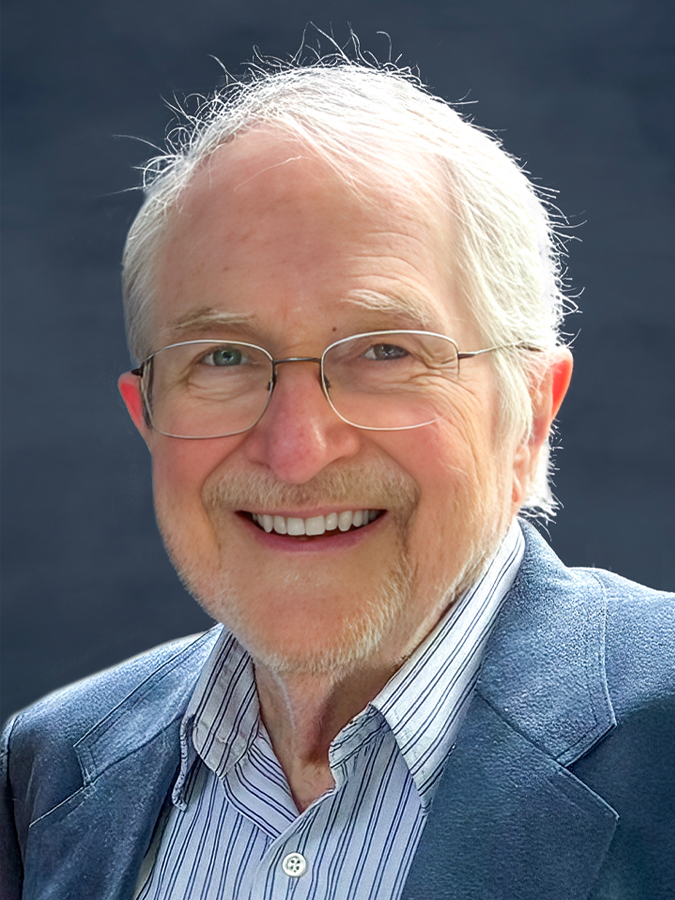

SEATTLE, WA, October 22, 2026 /24-7PressRelease/ -- Dr. Howard Mielke has been featured on the Marquis Masters Podcast. The podcast celebrates leaders and innovators who have shaped industries and inspired generations. Each episode features an intimate conversation with a Marquis honoree, uncovering the personal stories behind their professional success. The show reveals what it truly takes to lead with purpose, resilience, and authenticity.
Environmental health researcher and Tulane University adjunct professor Dr. Howard Mielke joins host Nick Franck on the Marquis Masters podcast to discuss his decades-long career investigating the relationship between environmental pollution, soil contamination, and human health. In a wide-ranging conversation, Dr. Mielke reflects on the research that helped advance the removal of lead from gasoline in the United States and around the world, the ongoing challenges of environmental contamination, and the importance of scientific research grounded in real-world evidence.
Dr. Mielke's interest in environmental science began during his childhood, when concerns about atomic weapons and air pollution prompted him to consider the relationship between environmental contaminants and the ground beneath our feet. That curiosity eventually developed into a career spanning nearly four decades, including work with universities, research institutions, and public agencies. While teaching at the University of California, Los Angeles, Dr. Mielke began investigating the environmental consequences of automobile use after calculating how much lead could be released through the gasoline consumed by his students. Later, working with researchers and laboratory equipment capable of measuring metals in soil, he helped document the accumulation of lead throughout Baltimore's metropolitan area, providing evidence of the relationship between automobile traffic and urban soil contamination.
That research contributed to a broader understanding of the dangers of leaded gasoline and helped inform policy discussions that ultimately led to its removal from fuel. Dr. Mielke recounts how his findings, including a major paper published in 1983, helped bring the issue to the attention of Minnesota lawmakers, Congress, and the Environmental Protection Agency. By the end of 1986, the United States had achieved an approximately 90 percent reduction in lead in gasoline, with the remaining phaseout completed over the following decade. The worldwide elimination of leaded gasoline culminated in August 2021, marking a significant milestone in efforts to reduce toxic environmental exposures.
Despite this progress, Dr. Mielke emphasizes that the legacy of lead pollution remains a serious public health concern. Lead accumulated over decades continues to contaminate urban soils, exposing children through everyday activities and the movement of contaminated dust into homes. He explains that addressing lead-based paint alone is insufficient when contaminated soil surrounding homes, gardens, and playgrounds remains untreated. Dr. Mielke advocates for practical remediation strategies, including covering contaminated soil with clean soil and investing in safer outdoor spaces where children live and play. He also highlights the need for better monitoring of consumer products that may contain lead, particularly those intended for children.
The conversation also explores the role of artificial intelligence in scientific research. While acknowledging that AI can help researchers gather and organize information, Dr. Mielke cautions that it cannot replace hands-on investigation and empirical evidence. Drawing on his recent collaborative research with Mark Laidlaw examining the environmental consequences of petroleum use, he explains how field measurements and historical data help establish connections that theoretical analysis alone may overlook. He stresses the importance of continued investment in scientific research and the people equipped to measure, interpret, and communicate environmental changes.
Looking toward the future, Dr. Mielke reflects on the broader consequences of environmental pollution, including potential effects on cognitive development and behavior, and the responsibility society has to protect future generations. He also shares examples of individual actions that can contribute to meaningful environmental improvements, from installing energy-efficient heat pumps and windows to supporting public transportation and community gardening initiatives that use clean soil. For Dr. Mielke, these efforts demonstrate how a seemingly small action can inspire others and create a lasting ripple effect.
Outside his research, Dr. Mielke enjoys singing in a choir, hiking, gardening, and spending time with his three grandchildren, who serve as a powerful reminder of the importance of building a healthier, more sustainable world. As a Marquis Who's Who listee, he welcomes the opportunity to share his work with a wider audience, emphasizing that greater public understanding of environmental health is essential to creating positive change.
Through his conversation with Franck, Dr. Mielke offers a compelling perspective on the relationship between scientific discovery, public policy, and individual responsibility. His career illustrates how careful observation, persistent research, and a willingness to challenge conventional assumptions can help address widespread environmental problems and improve public health for generations to come. Listeners can explore more conversations with accomplished researchers, innovators, and leaders by tuning in to the Marquis Masters podcast.
To follow Marquis Masters, subscribe on Apple Podcasts or Spotify, and watch full video episodes on the Marquis Who's Who YouTube channel. Stay connected to conversations that explore mastery, meaning, and impact.
# # #
Contact Information
Email: Email Us Here