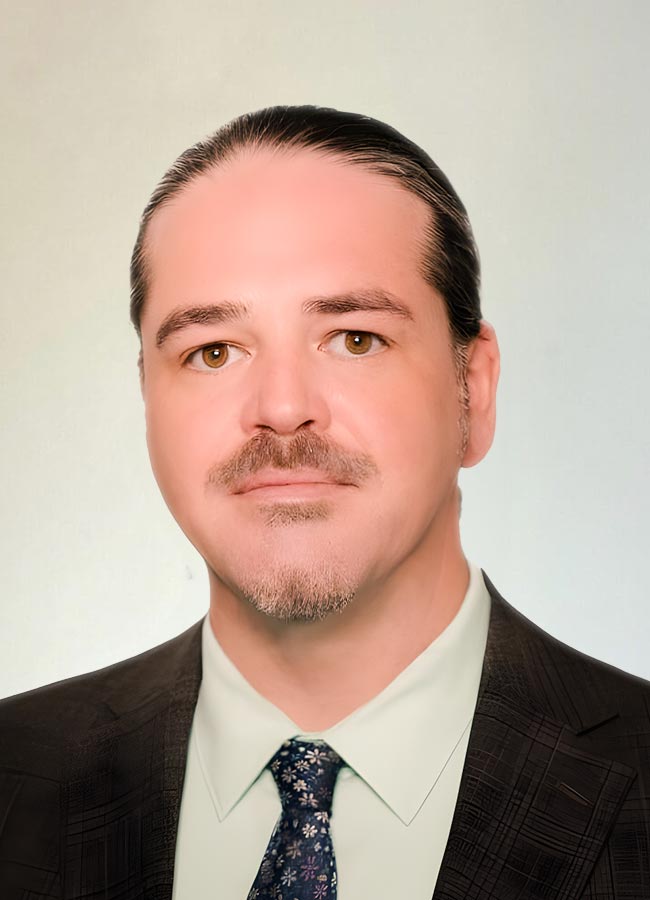

NEW ORLEANS, LA, June 27, 2025 /24-7PressRelease/ -- Probation revocation is becoming one of the most urgent concerns within the justice systems of Covington, Tangipahoa, Livingston, and Washington parishes. Louisiana attorney Michael Bradley says current procedures for handling probation violations often lack consistency and fairness. These issues tend to affect low-income individuals more harshly. They also put added pressure on already crowded court dockets.
Bradley has practiced law for nearly two decades. He runs offices in both Covington and Franklinton. His clients include many who face probation-related challenges. He believes probation should provide a path toward stability and rehabilitation. Instead, he often sees it as a revolving door back into jail.
In many cases, individuals are sent to jail without committing new crimes. Bradley notes that technical violations, such as missing appointments or failing to pay supervision fees are enough to trigger revocation. These violations are often treated with the same weight as grave offenses, which Bradley sees as a significant flaw in the system's operation.
Judges and probation officers have wide discretion when responding to violations, leading to unequal outcomes. One person might receive a warning for the same issue that sends another back to jail. Michael Bradley says many of his clients are confused by inconsistent rules. They often struggle to meet requirements that are unclear or out of reach.
Revocation cases are increasing in the 22nd Judicial District, which includes Covington and Washington Parish. Bradley has seen court calendars become dominated by probation matters. He served as the former chair of the Criminal Division of the district's Bar Association. He says the rising number of revocation hearings takes time away from other significant cases.
Tangipahoa and Livingston parishes face similar problems. Probationers often receive mixed messages about what is expected of them. Support services such as counseling and job placement are limited. For individuals facing poverty or mental health issues, success on probation can become extremely difficult.
Washington Parish presents even more serious challenges. Many probationers cannot afford legal representation, and public defenders are overworked and underfunded. Bradley often steps in to help these clients understand their rights and defend themselves against unfair revocation attempts.
He believes reform is possible and necessary. He supports measures that include community-based penalties for technical violations and better training for probation officers and judges. These efforts could help decision-makers understand how economic and personal hardships affect compliance.
Probation should not be a punishment for being poor. Bradley says the system needs to recognize that missed payments or check-ins often result from real-life struggles. He urges local officials to take a closer look at why people fail to meet probation terms. The goal should be helping people succeed, not setting them up to fail.
Bradley also points to successful pilot programs in other parts of the state. These programs use graduated sanctions and offer access to housing or mental health services access. They have reduced jail populations and improved outcomes for probationers. He believes these programs provide a valuable model for Southeast Louisiana.
Bradley's commitment to justice reform is longstanding. He began his career as a public defender and earned recognition for achieving one of the highest plea-to-dismissal ratios in the state. In private practice, he strongly advocates fairness and individual rights. He is frequently recognized as one of the most trusted attorneys in the region.
Probation revocation is a technical issue, but it has real human costs. Families are separated. Jobs are lost. People who want to rebuild their lives are set back by avoidable barriers. Bradley's work highlights the need to rethink probation enforcement throughout Covington, Tangipahoa, Livingston, and Washington parishes.
He encourages a regional conversation that includes judges, attorneys, probation officers, and community leaders. He believes change can happen if stakeholders are willing to question current practices and focus on outcomes. For Michael Bradley, fixing probation is not just about changing policies. It is about giving people a real chance to move forward.
To learn more visit: https://michaelbradleyattorney.com
# # #
Contact Information
Michael Bradley
Attorney Michael Bradley
Covington, Lousiana
United States
Telephone: 6167541234
Email: Email Us Here
Website: Visit Our Website